Instant Solutions To Cctv Drain Survey Windsor In Step by Step Detail

The practice of unblocking drains has been with us for as long as indoor plumbing existed. Traditional methods included the use of plungers, drain snakes, and chemical solutions. However, in recent years, advances in technology have redefined the process, making it more effective, less time-consuming, and less harmful to the environment.

Flooded house at Windsor, Western Sydney, NSW, Australia. July 5, 2022One notable advancement in this field is the advent of hydro jetting. Hydro jetting is a method used by professional plumbers to clean clogged or slow sewage lines. In layman’s terms, a blast of water at high pressure is sent into the lines that will usually remove blockages and build up. The pressure levels can be adjusted accordingly to the nature of the clog, making it a versatile tool in drain unblocking.

Unlike traditional methods that may merely poke a hole in the blockage, hydro jetting scrubs the pipe walls clean of grease and debris, hence providing a long-term solution to recurrent drain issues. Besides, it also prevents the potential risks of pipe damage associated with mechanical tools. Hydro jetting is credited for its eco-friendliness as it uses plain water without any harmful chemicals. This is a significant advantage, considering the rising environmental concerns associated with chemical drain cleaners.

Another revolutionary development in the drain cleaning space is the use of CCTV drain cameras or sewer cameras. Equipped with contemporary technologies like LED lighting and high-resolution imaging, these cameras can delve into the pipe and thoroughly inspect your sewer lines. The plumbers can simultaneously view the internal footage, which helps precisely locate the blockage, assess its severity, and plan the most effective removal approach.

The usage of sewer cameras nullifies the need for speculative and intrusive excavation work, thus saving time and reducing the inconvenience to a property’s inhabitants. Furthermore, it even aids in the post-clearing phase, allowing a re-inspection to confirm complete blockage removal.

The incorporation of smart technologies in the drain unblocking has not only enhanced the efficiency of the process but has also elevated the service experience. The digital drain unblocking services, for instance, allow instant booking through mobile apps, track service progress, and facilitate secure online payments. Some even offer photo and video evidence of the work done, thereby ensuring full transparency.

Lastly, bio-enzyme drain cleaners are the latest addition to this evolving field. They form the most environmentally friendly drain cleaning solution to date. They work by producing enzymes or bacteria that feed on clogs. These cleaners are perfect for periodic treatment to maintain drain health and prevent clogs rather than for immediate unblocking.

To conclude, the English drain unblocking sphere is experiencing a remarkable evolution with the embracement of advanced techniques like hydro jetting and cctv drain survey windsor inspection. Additionally, the rise of smart services and green cleaning solutions like bio-enzyme cleaners visualizes a future where drain unblocking becomes even more swift, convenient, and environmentally-respectful. Nevertheless, like any technological progress, continuous development and accessibility challenges remain to be addressed for benefiting a wider population.
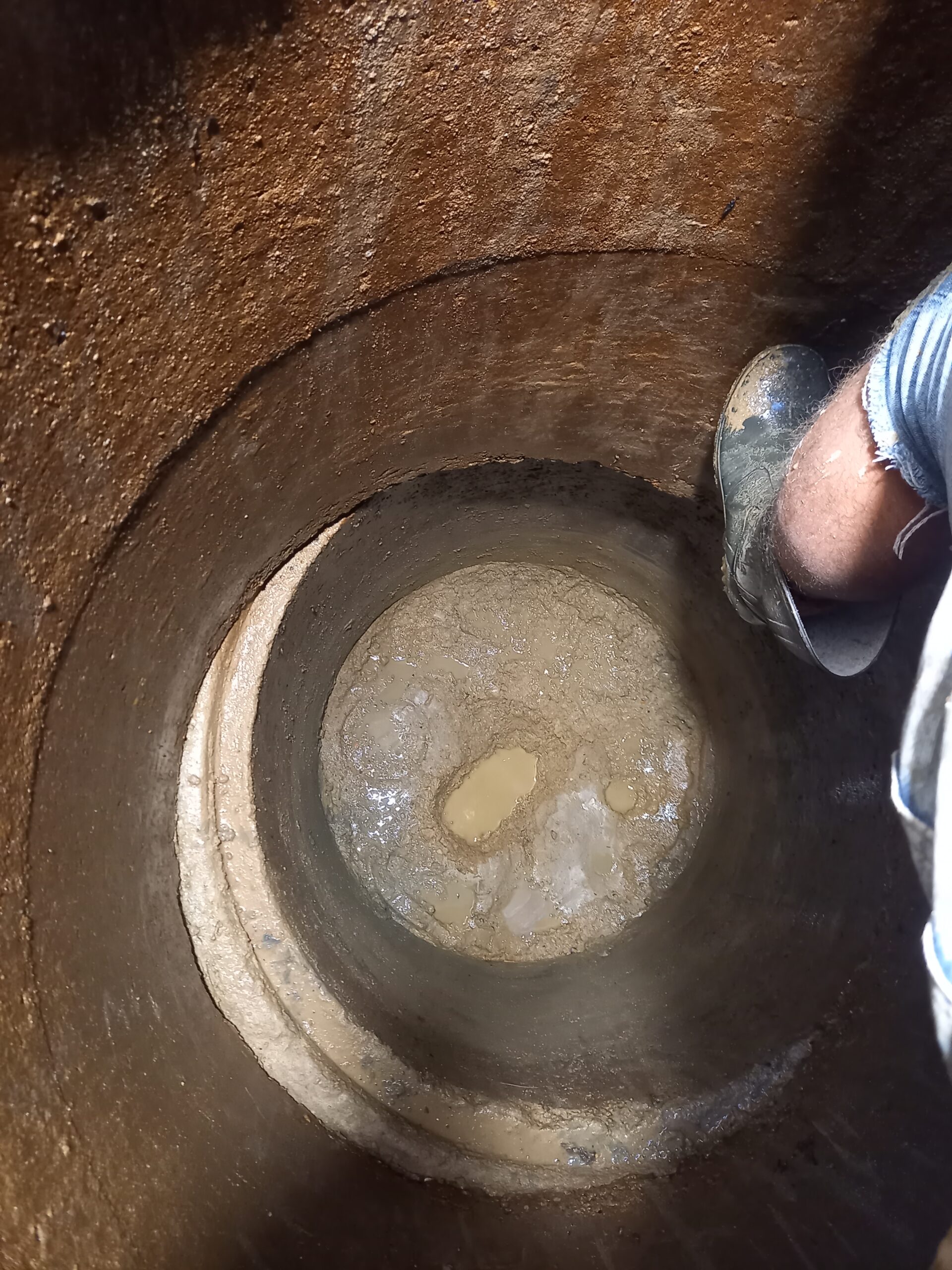
Blocked drains in showers are a common issue faced by many households. The problem can cause inconvenience and, if not attended to promptly, can lead to more severe plumbing issues. This case study examines the issue of blocked drains in showers, its causes, implications, and the various solutions to address this problem.

The problem of blocked drains in showers is not new. It is a recurring issue that has been plaguing homeowners for years. The causes are diverse, ranging from hair and soap scum to hard water deposits and even foreign objects. These materials accumulate over time, gradually reducing the water flow until the drain is completely blocked drains gloucester.

In one instance, a family residing in a suburban neighborhood reported a persistent issue of a blocked shower drain. Despite their attempts at using various commercial drain cleaners, the problem persisted. The family was forced to restrict their use of the shower due to the slow drain, causing considerable inconvenience.

The family decided to call in a professional plumber to diagnose the issue. The plumber used a special drain camera to inspect the drain and discovered that the blockage was not due to the usual suspects – hair or soap scum. Instead, the drain was blocked by a buildup of hard water deposits and a small toy that had accidentally been dropped into the shower drain.

The plumber explained that hard water deposits are a common cause of blocked drains, especially in areas with hard water. These deposits are formed by minerals like calcium and magnesium, which are present in hard water. Over time, these minerals accumulate on the inner walls of the pipes, reducing the diameter of the pipe and eventually leading to blockages.

The small toy, on the other hand, had become lodged in the pipe, exacerbating the blockage caused by the hard water deposits. The plumber used a special drain snake to remove the toy and then used a high-pressure water jet to clear the hard water deposits.

This case highlights the importance of professional intervention in dealing with blocked drains. While commercial drain cleaners can be effective in dealing with minor clogs caused by hair or soap scum, they are often ineffective against more severe blockages caused by hard water deposits or foreign objects. Moreover, some commercial drain cleaners can be harmful to the pipes, causing corrosion and other damage.

The plumber advised the family on several preventative measures to avoid future blockages. These included installing a water softener to reduce the hardness of the water, regularly cleaning the shower drain to prevent the buildup of hair and soap scum, and being careful not to drop any foreign objects into the drain.

The family followed the plumber’s advice and has not reported any issues with their shower drain since then. This case serves as a reminder that while blocked drains can be a nuisance, they can be effectively addressed with the right approach and preventative measures.

In conclusion, the issue of blocked drains in showers is a common but solvable problem. It requires an understanding of the causes, implications, and solutions. Regular maintenance and care can prevent most blockages, but for persistent or severe issues, professional help may be required. The case of the suburban family provides valuable insights into how to effectively address and prevent blocked drains in showers.

4Issues You need to Learn about Drain Unblocking Havant

Blocked drains are a common issue faced by homeowners and businesses alike. However, what may seem like a minor irritation can swiftly escalate into a major crisis if not adequately addressed. This observational research article explores the emergency side of blocked drains, their potential impact, and the significance of immediate response and prevention measures.

Blocked drains are catastrophic nuisances that have the capacity to wreak havoc on infrastructure systems, posing both environmental and health hazards. While many simply see it as an inconvenience in their daily routine, blocked drains can lead to contamination and diseases, showcasing the urgency with which these cases should be treated. A treacherous amalgamation of hair, oil, food waste, and even hygienic products can lead to blockages, fostering the proliferation of bacteria in the stagnant water.

A critical observation noted during the research is the swiftness with which a drain unblocking havant clogs can escalate from a minor issue to an emergency. Early signs can be a slowing drain, a slight odor, or minor overflow during rainfall. On average, it took less than a week from the first sign of blockage for the situation to worsen to the point of causing water or sewage backup. Such a scenario can be potentially devastating, leaking harmful sewage gases into the environment and causing significant property damage due to flooding.

Blocked drains also pose a severe ecological threat, especially in urban environments. When left unaddressed, drainage blockages can lead to untreated sewage entering our waterways, introducing harmful pollutants that can detrimentally affect aquatic life and contaminate our drinking water. The issue of blocked drains transcends the boundary of simple plumbing problems, and in fact, enters the purview of environmental conservation.

Unfortunately, the lack of public awareness about the potential risks of blocked drains only worsens the situation. Many homeowners and business operators ignore the early signs of drain blockages, like slow drainage or foul smell, dismissing them as minor inconveniences. As per the study results, more than half of the emergency calls to plumbers were preventable if earlier action had been taken.

Hence, the emergency aspect of blocked drains lies not just in the damage they can cause upon reaching a critical point but also in the lack of timely action being taken to resolve them. There is a pressing need for generating awareness about the signs of a blocked drain and the necessary steps to be taken at the initial stages. Periodic drain maintenance and responsible disposal of waste can significantly curb the incidence of blocked drains.

Emergency drainage services play an instrumental role in mitigating the effects of blocked drains. With technical prowess and professional expertise, they offer immediate, decisive action to prevent further damage, underscoring their essential role in managing such crises.

In conclusion, understanding the emergency nature of blocked drains is important for both preventing disastrous situations and implementing timely interventions. A blocked drain is more than a temporary inconvenience. It is a ticking time bomb that, if not diffused in time, can lead to significant health hazards and environmental damage. It is crucial to maintain the functionality of the drainage systems through regular check-ups and timely interventions, averting a potential crisis.

The domestic tranquillity of many households is increasingly being disrupted by a seemingly trivial yet significantly distressing issue – blocked kitchen drains. This widespread problem, often overlooked, is now gaining attention as it poses a serious threat to the hygiene and functionality of kitchens across the nation.

Blocked kitchen drains are a common occurrence in most households. However, this issue has been on the rise recently, with more and more homeowners reporting clogged drains. The problem often manifests with water pooling around the drain, a foul smell, and, in severe cases, backflow of waste water.

The causes of blocked drains are numerous and varied. They range from the accumulation of cooking grease and food particles to the inappropriate disposal of non-biodegradable items such as plastic wrappers and wet wipes. Additionally, the improper use of garbage disposals and the lack of regular drain maintenance also contribute to this issue.

Handling a blocked cctv drain survey egham can be an unpleasant task. It can lead to disruptions in daily routines, increased stress levels, and unexpected expenses. Moreover, blocked drains can also lead to more severe plumbing issues if not addressed promptly.

One of the most significant impacts of blocked kitchen drains is the potential health risk they pose. Standing water in the sinks can become a breeding ground for bacteria and other harmful microorganisms. The foul smell emanating from blocked drains can also contribute to a poor living environment, leading to discomfort and potential health issues.

In addition to health risks, blocked drains can also cause structural damage to homes. Persistent water leaks from blocked drains can weaken the structure of the house, leading to costly repairs. Moreover, the overflow of dirty water can damage kitchen flooring and cabinets, adding to the homeowner’s woes.

Experts suggest several measures to prevent kitchen drains from getting blocked. These include proper disposal of food waste, avoiding pouring grease down the drain, and regular cleaning of the drain with suitable cleaning agents. Moreover, homeowners are advised to seek professional help at the first sign of a blocked drain to prevent further complications.

Plumbing services across the country have reported an increase in calls related to blocked kitchen drains. Many of these services offer timely and effective solutions to unblock drains and also provide advice on preventing future blockages.

However, despite the availability of professional services, the responsibility of preventing drain blockages primarily lies with the homeowners. Simple practices such as scraping plates before washing them, not disposing of oil and fat down the drain, and using sink strainers can go a long way in preventing drain blockages.

The issue of blocked kitchen drains is not just a domestic problem but also an environmental concern. The disposal of food waste and non-biodegradable items down the drain can contribute to the blockage of municipal sewer systems, leading to environmental pollution. Therefore, maintaining clean kitchen drains is not only beneficial for homeowners but also crucial for the environment.

In conclusion, blocked kitchen drains are a growing domestic problem that requires immediate attention. While professional help is available, preventative measures and responsible disposal of waste can significantly reduce the occurrence of this issue. As responsible citizens, it is our duty to ensure the cleanliness of our drains, thereby contributing to a healthier and cleaner environment.

In the realm of property maintenance, there are many tasks that can be easily overlooked, but none more so than the essential maintenance of our drainage systems. The importance of maintaining these hidden, yet vital, components of our homes and businesses cannot be overstated. As technology advances, so too does the way we approach these tasks. The latest innovation in this field is the use of Closed Circuit Television (CCTV) for drain surveys, a method that is rapidly gaining traction for its efficiency and accuracy.

A CCTV drain survey is a procedure that involves the use of specially designed waterproof cameras to inspect the condition of drains and sewers. This technology allows professionals to inspect these systems without the need for disruptive and costly excavation. The cameras relay real-time footage to the operator, providing an immediate and detailed view of the inner workings of the drain system.

The primary advantage of a CCTV drain survey is its ability to accurately locate and diagnose issues within the drain system. Traditional methods, such as manual inspection, can often miss small or hard-to-reach problems, leading to bigger issues down the line. In contrast, a CCTV drain survey can pinpoint problems such as blockages, leaks, and structural damage, allowing for targeted and efficient repairs.

Moreover, CCTV drain surveys are not only used for problem detection. They are also invaluable in preventative maintenance. Regular surveys can identify potential issues before they become major problems, saving property owners significant time and money in the long run.

Another crucial aspect of CCTV drain surveys is their role in property purchase assessments. Prospective buyers can use these surveys to check the condition of the property’s drainage system, preventing unpleasant surprises after the purchase. In fact, many mortgage lenders now require a drain survey before approving a loan, highlighting the importance of this technology in the property market.

The environmental impact of drain issues is another factor that underscores the importance of CCTV drain unblocking egham surveys. Leaks and blockages can lead to contamination of the surrounding soil and water sources, posing a significant environmental hazard. By identifying and addressing these issues promptly, we can mitigate their environmental impact.

The implementation of CCTV technology in drain surveys also speaks to a broader trend in the industry: the increasing reliance on technology to improve efficiency and accuracy. As in many other sectors, the use of technology in property maintenance is revolutionising the way we approach tasks that were once manual and time-consuming.

However, despite its many benefits, the adoption of CCTV drain surveys is not without challenges. For one, the initial cost of the equipment can be prohibitive for smaller companies. Moreover, there is a need for trained professionals who can correctly interpret the footage and make accurate diagnoses. As such, ongoing training and development are crucial to ensure the effective use of this technology.

In conclusion, the introduction of CCTV drain surveys represents a significant advancement in the field of property maintenance. It offers a more efficient, accurate, and environmentally friendly method of maintaining and inspecting our drainage systems. As technology continues to evolve, we can expect further improvements and innovations in this vital sector. Despite the challenges, the benefits of CCTV drain surveys are undeniable, making it an investment worth considering for property owners, maintenance companies, and environmental advocates alike.

Blocked drains in bathrooms are a common household problem, leading to water pooling, unpleasant odours, and potential damage to the plumbing system. The traditional methods of unclogging drains, such as using a plunger or chemical drain cleaners, are often ineffective, messy, and potentially harmful to the environment. However, recent advancements in technology have revolutionized the way we tackle this issue, offering more effective, efficient, and eco-friendly solutions to blocked drains.

One of the most significant advancements in this field is the development of high-pressure water jetting systems. These systems use a high-pressure water jet to blast through blockages, effectively dislodging and removing the obstruction without damaging the pipes. This method is not only more effective than traditional methods, but also safer for the environment as it does not involve the use of harmful chemicals.

Another notable innovation is the use of CCTV drain surveys. This technology involves inserting a small camera into the drain to locate the blockage, allowing for a more targeted and efficient approach to unclogging. This method minimizes the need for guesswork and unnecessary work, saving time and resources. Furthermore, it allows for early detection of potential issues, preventing more serious problems down the line.

Drain snakes, or drain augers, have also seen significant improvements. Modern drain snakes are equipped with cutting heads that can cut through stubborn blockages like tree roots. Some models even have cameras attached, combining the benefits of a CCTV drain survey with the effectiveness of a drain snake.

The use of natural, enzyme-based drain cleaners is another breakthrough in the field. These cleaners use enzymes or bacteria to break down the blockage, offering a more eco-friendly alternative to chemical drain cleaners. Not only are these products safer for the environment, but they’re also less likely to damage pipes, making them a more sustainable solution in the long run.

In addition to these advancements, there are also new preventative measures available. For example, drain guards and hair catchers can be installed to prevent debris from entering the drain in the first place. These devices are easy to install and clean, making them a simple yet effective solution.

Smart technology has also made its way into the drainage industry. There are now smart drains that can monitor for blockages and alert homeowners when a blockage is detected. Some even have the ability to automatically clear minor blockages, preventing them from becoming more serious issues.

Despite these advancements, education and awareness remain crucial. Understanding what can and cannot be flushed down the toilet or washed down the sink can go a long way in preventing blocked drains. Items like wet wipes, cooking grease, and coffee grounds should never be disposed of in drains as they can easily lead to blockages.

In conclusion, the advances in tackling blocked drains in bathrooms have come a long way. From high-pressure water jetting systems and CCTV drain surveys to enzyme-based drain cleaners and smart drains, these innovations offer more effective, efficient, and environmentally friendly solutions. However, it’s important to remember that prevention is always better than cure. By being mindful of what we dispose of in our drains and taking advantage of preventative measures, we can keep our drains running smoothly and avoid the hassle of dealing with blocked drains worcester drains.

Seven Easy Steps To A Winning Boiler Servicing Strategy

Powerflushing is one of the more oversold services in the heating trade, and one of the ones customers hear about most through installers rather than research. The idea sounds simple enough – flush the accumulated sludge, rust and debris out of the heating system – but the reality is that some homes genuinely need it and some are being sold it as a way to bump up an invoice. Knowing when it is legitimate and when it is not saves several hundred pounds.

The reason systems need occasional flushing is that over time, iron oxide sludge builds up inside the radiators and the pipework. It comes from the natural corrosion of steel radiators reacting with the water they hold. In small quantities it does nothing. In larger quantities it settles at the bottom of radiators, creating cold spots at the base, and it circulates through the boiler where it deposits in the heat exchanger and reduces efficiency. A boiler running through a heavily sludged system draws more gas, produces less heat and puts more strain on the pump.

The clearest signs of a system that needs flushing are cold patches at the bottom of radiators when the rest is hot, radiators that need bleeding often without any obvious reason, black water coming out when you do bleed them, and a noisy pump. If the water from a radiator bleed valve is more or less clean, if radiators heat evenly top to bottom, and if the boiler is running quietly with no obvious issues, the system probably does not need flushing.

There is a common upsell moment when a new boiler is being installed. Many installers will quote a powerflush as an extra line item, and in some cases it is genuinely necessary, because fitting a new boiler onto a sludged system will pull that sludge through the new heat exchanger and shorten its life significantly. But not every system needs it. A relatively new system that has been well-maintained with inhibitor in the water often only needs a chemical clean rather than a full powerflush. Ask the installer to justify the flush – what evidence they have seen that the system needs it – rather than accept the line item without question.

The alternative in many cases is fitting a magnetic filter and adding fresh inhibitor. A magnetic filter clips onto the return pipe to the boiler and traps ferrous debris as it circulates, so the debris comes out of the water gradually over months rather than being sent through the boiler. Combined with a bottle of inhibitor added to the system, it protects the new boiler without the cost of a full flush. Most manufacturers now recommend a magnetic filter as standard, and many warranties require one.

A proper powerflush takes a full day. A pump connected to the boiler circuit forces treated water through the system at high velocity, and each radiator is isolated and flushed in turn. The used water comes out visibly dirty in the early stages and gradually clears. At the end, the system is dosed with fresh inhibitor. Anyone doing a powerflush in an hour or two is not doing a proper job.

The honest position, spoken by any reputable heating engineer in Bournemouth, is that not every system needs a powerflush, and any recommendation should come with evidence. Ask what symptoms they are seeing, ask to see the water coming out of a bleed valve, and if none of it looks bad, request a chemical clean and a magnetic filter as an alternative first. If the symptoms are genuine, a powerflush is worth every penny. If they are not, it is money that could go towards insulation, thermostatic radiator valves, or a smart thermostat instead.

Being A Rockstar In Your Industry Is A Matter Of En-suites And Cloakrooms

Bathroom tiles outlast almost every other decision made in the room. The suite may be replaced after fifteen years, the taps sooner, the paint every few years, but tiles typically stay put for two or three decades because ripping them out is expensive and messy. That makes the tile choice the most consequential aesthetic decision in the whole project, and the one where fashionable choices have the highest cost when they date.

The safest instinct is to lean towards classic rather than trendy. Metro tiles – white, glossy, brick-shaped – have been in continuous fashion since the London Underground first used them a century ago, and they will still look fine in twenty years. Plain white or cream large-format wall tiles are similarly timeless. Neutral stone-effect porcelain floor tiles date more slowly than patterned ceramics. None of these are the exciting choice on the day, but they are the ones that householders regret least a decade later.

The way colour behaves is different in a bathroom than in any other room. Bathrooms are small, artificially lit at least some of the time, and the eye is drawn to the tiled surfaces from close range. Dark tiles that look sophisticated in a showroom can make a small bathroom feel cave-like once installed, and bright colours that seemed cheerful in a sample often look garish across a whole wall. If in doubt, lighter is safer than darker, and matt or satin finishes hide water spotting better than gloss.

Grout is a decision most homeowners do not realise they are making. White grout looks clean on the day of installation and grubby within eighteen months, especially on floors and in shower zones. Grey grout, medium tone, hides limescale and general use marks far better and dates less quickly. The grout width matters too – narrow grout lines look more refined, wider ones are more forgiving of tiles that are not perfectly consistent in size. A good tiler will lay tiles to a two-millimetre grout line rather than a five-millimetre one where possible.

The floor tile is a category where quality is worth paying for. A cheap ceramic tile on a bathroom floor chips at the edges within a few years and stains in the grout because the surface is more porous than it should be. Full-body porcelain is denser, harder-wearing, less porous and only slightly more expensive, and it will look the same after ten years as it did on the day of installation. Whatever you choose, the floor tile should be rated at least R10 for slip resistance where water may be present.

How tiles are laid out have a bigger impact than most people expect. Straight-set tiles – a simple grid – look cleaner and more contemporary. Offset patterns – each row shifted by half a tile – look more traditional and are more forgiving of tiles that are not perfectly rectangular. Herringbone is elegant but doubles the labour cost because of the cuts, En-suites and cloakrooms it makes a small room look busy rather than larger. Diagonal set patterns date fast and are hard to work around edges. For most Bournemouth bathrooms, a plain straight-set or a half-offset gives the best balance of appearance and value.

The most common regret homeowners voice a few years after a bathroom project is not the choice of suite or the layout – it is the tiles. Either they went too bold and now the room feels dated, or they were talked into a marble-effect that costs more than it delivers, or they skimped on grade and it looks tired sooner than it should. Give the tiles more time than any other decision in the project. Take samples home, look at them in the actual light of the bathroom rather than the showroom, live with them for a few days. Get that one call right and the rest of the room falls into place around it.

Introduction

CCTV drain surveys have become a crucial part of modern drainage system maintenance. They provide a non-invasive, cost-effective, and efficient method for diagnosing and addressing various drainage issues. This case study aims to explore the application, benefits, and effectiveness of CCTV drain surveys in maintaining the integrity of a drainage system.

Background

In the past, diagnosing and fixing drainage issues was often a tedious and time-consuming process. It involved a lot of guesswork, excavation, and often resulted in unnecessary disruption. However, with the advent of cctv drain survey egham technology, this process has become significantly more straightforward and less intrusive.

Case Study: The Application of CCTV Drain Surveys

In this case study, we will examine a specific instance where a CCTV drain survey was employed to diagnose and address a recurring drainage issue in a residential building in London. The residents had been experiencing consistent issues with their drainage system, including slow draining and frequent blockages. Traditional methods of addressing these issues were only providing temporary relief.

The property management company decided to employ a CCTV drain survey to identify the root cause of the problem. A specialist drainage company was engaged to conduct the survey. They used a remotely controlled camera system to navigate the building’s drainage system. The camera system provided real-time video feed, allowing the engineers to inspect the condition of the pipes and identify any issues.

Findings

The CCTV drain survey revealed several issues within the drainage system. Firstly, the survey identified a significant blockage in one of the main drain pipes. This blockage was the primary cause of the slow draining and frequent blockages experienced by the residents.

Secondly, the survey identified several areas where the drain pipes had become damaged. These damaged areas were allowing debris to enter the drainage system, contributing to the blockages.

Lastly, the survey identified a section of the drainage system that had been incorrectly installed. This incorrect installation was causing water to flow back into the system, contributing to the slow draining.

Resolution

Based on the findings of the CCTV drain survey, the drainage company was able to develop a comprehensive plan to address the issues identified. The plan involved removing the blockage, repairing the damaged areas of the pipe, and correcting the incorrectly installed section of the drainage system.

The use of the CCTV drain survey allowed for targeted interventions, minimizing the amount of disruption caused during the repair process. The residents were able to continue using their drainage system during most of the repair process.

Outcome

Following the intervention, the residents reported a significant improvement in their drainage system’s performance. The issues of slow draining and frequent blockages were resolved, and the system has been functioning efficiently since then.

Conclusion

This case study demonstrates the effectiveness of CCTV drain surveys in diagnosing and addressing drainage issues. By providing a clear and accurate picture of the condition of the drainage system, these surveys allow for targeted and effective interventions.

CCTV drain surveys are a valuable tool in modern drainage system maintenance. They offer a non-invasive, cost-effective, and efficient method for diagnosing and addressing various drainage issues. As demonstrated in this case study, their use can lead to significant improvements in the performance and longevity of a drainage system.

Open Mike on Blocked Drains Leatherhead

Advancements in the area of blocked drain plumbing have remarkably transformed the plumbing industry. Gone are the days of prolonged discomfort due to obstructed drainage systems. Now, state-of-the-art technologies and innovative techniques have been developed to combat blocked drains, one of the most pervasive plumbing issues encountered, far more efficiently and effectively than ever before.

A key advancement is the incorporation of high-resolution video inspection tools. These devices, equipped with high-definition cameras, allow plumbers to visually examine deep inside the pipes, enabling them to accurately diagnose the source of the blockage. Conventional methods solely relied on experience and educated guesses, often resulting in unnecessary excavations or incomplete resolution. Video inspection has mitigated this issue by producing quick, accurate diagnoses, thereby expediting and refining the troubleshooting process.

Another notable breakthrough in blocked drain plumbing has been the advent of hydro jetting. This state-of-the-art technology uses high-pressure water jets to clear obstructions from the pipe systems. Unlike traditional pipe cleaning methods such as snaking that only punch holes through the clog, hydro jetting scrubs the pipe walls clean, removing the obstructing elements entirely and thus reducing the likelihood of repeated blockages. This technology is not only effectual in unclogging, but it also significantly minimises the risk of pipe damage, providing a long-term and cost-effective solution.

Adding to the roster of advancements is the introduction of trenchless pipe repair. As the moniker suggests, this innovative technique eliminates the need for large scale excavations that inevitably disrupt the landscape and take an extensive amount of time to remediate. Trenchless repair is a relatively non-intrusive process, which involves renewing underground pipes by creating a pipe within a pipe. Utilizing epoxy resins that harden to form solid pipes, this method enhances the longevity and durability of pipe systems, hence reducing long-term maintenance costs.

The application of predictive analytics in plumbing maintenance is a game-changer. Technologies now exist that predict possible drain blockages even before they occur. By utilizing smart devices embedded within the pipe system to continuously evaluate flow rates, pressure, and temperature, potential problems can be identified in advance, allowing for early intervention, and substantially reducing the potential effect of an unaddressed blockage.

Furthermore, advancements in eco-friendly pipe cleaning solutions also deserve attention. Today, there is an increasing consciousness about the environmental implications of harsh chemical cleaners usually used in drain unblocking leatherhead cleaning. In response to this, the development and industry adoption of biodegradable and environmentally friendly pipe cleaning solutions have been remarkable.

In conclusion, advancements in blocked drain plumbing have revolutionized the field, turning previously daunting tasks into manageable, efficient processes. From video inspection technology to hydro jetting, trenchless pipe repair to predictive analytics, and the advent of eco-friendly cleaning solutions, the industry is witnessing a golden period of innovation. As technology continues to evolve, we can anticipate further improvements making drain blockage and subsequent repairs neater, quicker, and cost-effective.