It’s a common household scenario: you’re taking a shower, and you notice the water isn’t draining as quickly as it should. Before you know it, you’re standing in a puddle. The culprit? A blocked shower drain. This seemingly minor issue has become a growing residential concern, affecting countless households across the country.

blocked drains eastleigh drains in showers are not just an inconvenience; they can lead to significant problems if left unattended. Not only does it hamper the showering experience, but it can also result in costly repairs, potential health hazards, and a negative impact on the environment.

The reasons behind a blocked shower drain are manifold. It can be a result of accumulated hair, soap scum, mineral build-up from hard water, or even small objects that accidentally find their way down the drain. Over time, these materials can build up and obstruct the free flow of water, leading to a blocked drain.

The issue is further complicated by the fact that not all blockages are immediately visible. Some are hidden deep within the plumbing system, making them difficult to detect until they cause significant problems. This hidden nature of blockages is a primary reason why many homeowners underestimate the severity of the issue.

Blocked drains can lead to a myriad of problems, escalating from mere inconvenience to potential health risks. Standing water in the shower can become a breeding ground for bacteria and mold, posing a significant health risk to residents. Additionally, the stagnant water can attract pests, further exacerbating the problem.

Moreover, blocked drains can cause water to back up and overflow, potentially damaging floors, walls, and fixtures. In severe cases, the water can seep into the underlying structure of the home, leading to rot, mold growth, and structural damage. These issues can necessitate costly repairs and renovations, impacting the homeowner’s finances significantly.

The environmental impact of blocked drains is another aspect that is often overlooked. When drains are blocked, more water is used as it takes longer for the water to drain away. This unnecessary wastage of water contributes to the already pressing issue of water conservation.

In light of these concerns, homeowners are urged to take proactive steps to prevent and address blocked drains in showers. Regular cleaning of the shower drain to remove hair and soap scum can go a long way in preventing blockages. Using drain covers or screens can also help by catching debris before it enters the drain.

For blockages that have already occurred, homeowners can resort to a variety of methods to clear the drain. These include using a plunger, a plumber’s snake, or a hand auger. In more severe cases, professional help may be required.

There are also a range of products available in the market designed to dissolve blockages. However, these should be used sparingly as they often contain harsh chemicals that can damage the pipes and harm the environment.

In conclusion, blocked drains in showers are more than just a minor inconvenience. They can lead to significant problems, both for the homeowner and the environment. It is essential that homeowners take this issue seriously and adopt proactive measures to prevent and address blockages.

It’s time to stop turning a blind eye to the water that’s slowly draining away in the shower. It’s not just about a comfortable showering experience; it’s about protecting our health, our homes, and our environment. Let’s treat blocked drains for what they are – a growing residential concern that warrants our attention and action.

3 Recommendations on Drain Unblocking Twickenham You Cannot Afford To overlook

Plumbing is paramount to the effective functioning of water supply and waste disposal systems in any household. One of the common and particularly disrupting issues that homeowners come across is blocked drains. These blockages occur when a buildup of debris, like food particles, hair, grease, and soap, prevents water from flowing through pipes properly. This article delves into the theoretical aspects of blocked drains plumbing.

The primary concept in understanding blocked drain plumbing lies in the basic principle of plumbing systems, which operates on the foundation of gravity. Water always tends to move from areas of higher pressure to lower pressure. In order to achieve this, pipes are pitched or sloped downhill to use gravity to assist in carrying away wastewater from your home.

Troubles arise when obstructions hinder this smooth passage of water. These obstructions could begin as minor blockages, but over time, they accumulate and cause severe clogs. In many cases, these obstructions are a direct result of user actions. For instance, the inappropriate disposal of food waste in kitchen sinks, washing hair down the bathroom drain, or flushing inappropriate objects in toilets can all contribute to blocked drains.
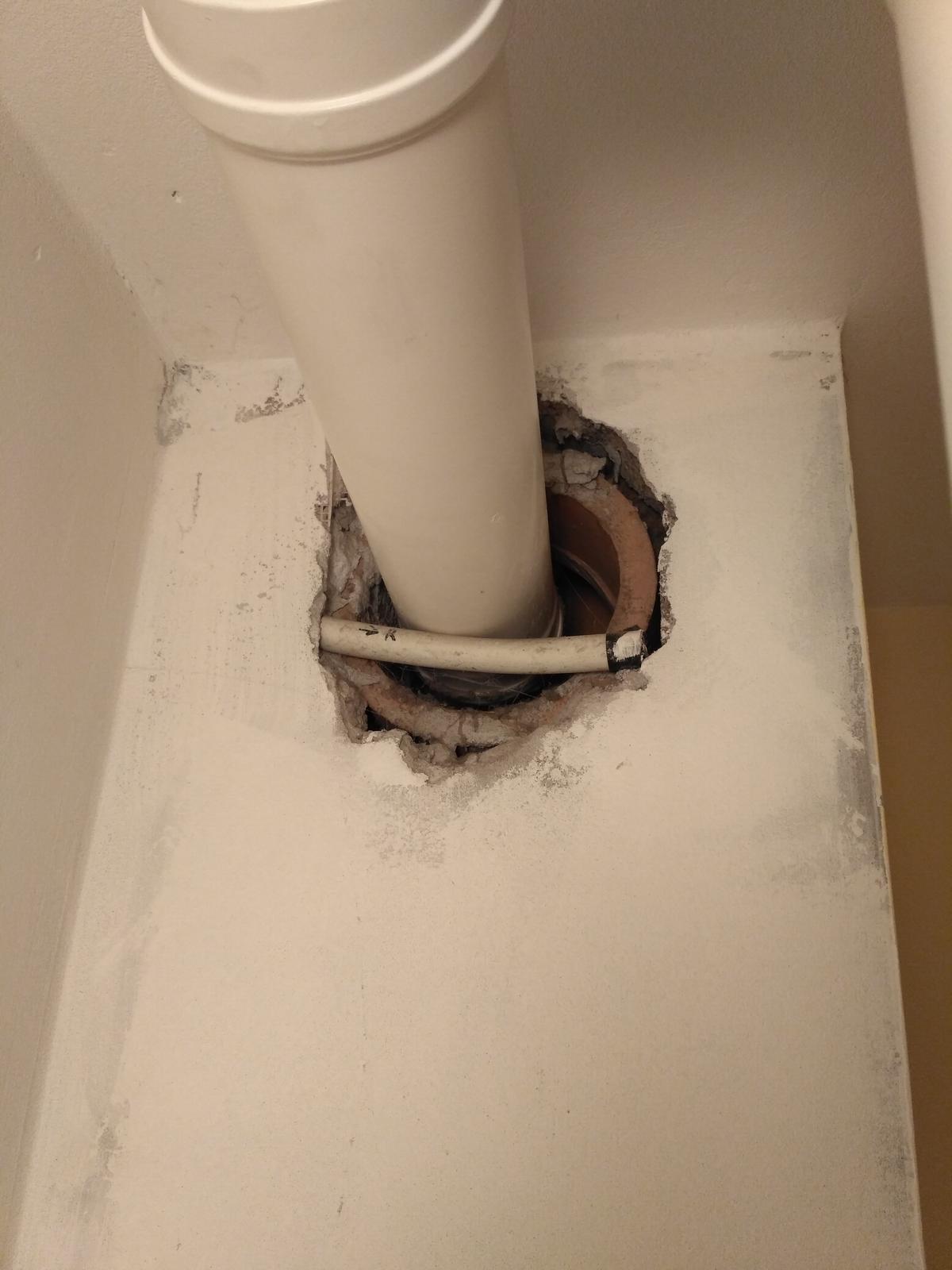
Alternatively, blocked drains can result from natural factors like tree roots intruding into pipes or disruptions and changes in the overall plumbing caused by structural settling, corrosion, or soil movement. Thus, the nature of a blockage in a drain may fall anywhere on the spectrum between simple and complex, contingent upon its causes.

Speaking theoretically, blocked drains can be identified by certain signs. These include water draining slowly, an unpleasant smell around drains, raised water levels in toilets, gurgling noises from drains, and localised flooding. These indications, coupled with the understanding of the most common causes of drain blockages, form the theoretical foundation for diagnosing blocked drains.

Moving on to the treatment of blocked drains, the methods employed by professionals often depend on the severity and nature of the blockage. A simple platform to start with, involves plungers and hand augers. The suction produced by a plunger can often dislodge minor obstructions and restore normal flow. A hand auger, sometimes called a plumber’s snake, can penetrate deeper into the pipe to break down larger obstructions.

For more stubborn blockages, professional plumbers may employ methods such as hydro jetting, which uses high-pressure water to break up the blockage, or drain cameras to identify the exact location and nature of the blockage. In rare cases, a complete pipe replacement may be necessary.

In terms of prevention, theoretically, a more mindful approach towards what enters the drain would significantly reduce the incidence of blockages. This involves the installation of drain guards to catch potential blockages, regular cleaning of the drain, and regular plumbing inspections which would promote the longevity of the drainage system.

In conclusion, the theoretical understanding of blocked drains twickenham drain plumbing involves recognizing the immediate signs and common causes of blockages, the various methodologies to remove the obstructions and preventive measures to avoid future instances. With this knowledge, homeowners can maintain the health of their plumbing system while minimizing costly disruptions and enhancements to their overall home comfort.

Drain Unblocking Twickenham Fundamentals Explained

Blocked drains are a common issue in residential and commercial properties. It disrupts daily routines and can result in costly repairs or replacements if not addressed on time. This report sheds light on blocked drains plumbing and the essential steps one needs to take to resolve or prevent this scenario.

Clogged drains generally occur due to the accumulation of waste materials such as hair, soap residue, food particles, and grease in the pipes. Discarding waste types like fats and oils down sinks often coagulates to form blockages over time. In bathrooms, the main culprits are hair and soap scum, which form knots and become lodged in pipes.

A blocked drain unblocking twickenham is more than just an inconvenience. If left unattended, it may lead to burst pipes, causing significant water damage to walls, ceilings, and floors. It can also create unpleasant odors, promote the growth of bacteria and mold, attract pests and insects, and produce an unhealthy environment overall.

Professional plumbers use different techniques to clear blocked drains. One of the methods is manual rodding, involving a flexible metal rod passed down the drain to dislodge the blockage. Another common strategy involves high-pressure water jetting, where a high-pressure water jet is directed through the pipe to break up the blockage and wash away the residual materials.

The use of chemicals and specific tools can also help dissolve or physically extract the blockages. Chemicals can break down the substances causing the clog, while tools like plumber’s snakes, augers, and hydro jets can effectively clear the pipes. However, such methods should ideally be the last resort due to their corrosive nature and potential to harm the pipe’s integrity if improperly used.

Among all interventions, prevention remains the most effective strategy to combat drain blockage. Regular maintenance and good habits in waste disposal can significantly reduce the risk. Avoid discarding oil, fat, or grease down the sink, install hair catchers in showers and bathtubs, and consider regular pipe cleaning to remove potential blockage material.

Professional drain cleaning services can provide a comprehensive inspection and cleaning, using specialized equipment to thoroughly clean pipes and remove any potential blockage. They also provide useful advice on preventing clogs and maintaining the health of your drainage system.

In summary, blocked drains can pose a serious threat to property health and safety. Therefore, understanding prevention and plumbing interventions is crucial. Regular maintenance, appropriate waste management, and timely intervention by professional plumbers can ensure your drains stay clear and functioning efficiently, avoiding unnecessary expenses and creating healthier living environments.

Blocked bathroom drains are a common issue faced by homeowners and renters worldwide. The problem is not only inconvenient but can also lead to more serious plumbing issues if not addressed promptly. Traditional methods of unclogging drains, such as using a plunger or a plumber’s snake, can be messy, time-consuming, and often ineffective. Chemical drain cleaners, while sometimes effective, can harm the environment and corrode your pipes over time. Fortunately, recent advancements in technology have led to innovative solutions that are more effective, efficient, and environmentally friendly.

One of the most significant advancements is the use of hydro jetting. This technique uses a high-pressure water jet to clear blockages in your drain. This method is not only highly effective at removing stubborn blockages, but it also cleans the inside of your pipes, removing any build-up that could lead to future blockages. Hydro jetting is also an environmentally friendly option as it only uses water and does not involve the use of any harmful chemicals.

Another innovative solution is the use of drain cameras. These small, waterproof cameras are inserted into your drain to locate the blockage. This allows the plumber to accurately diagnose the problem and determine the best course of action. This technology eliminates the guesswork and reduces the chance of unnecessary and costly repairs.

Robotic cutters are another state-of-the-art tool being used to tackle blocked drains. These devices are capable of cutting through tough blockages, such as tree roots, that traditional methods struggle with. Once the blockage is removed, the pipes can then be relined to prevent future issues.

Bio-enzymatic drain cleaners are a new, eco-friendly alternative to traditional chemical drain cleaners. These products use bacteria or enzymes to break down the blockage in your drain. Not only are these products effective, but they are also safe for your pipes and the environment.

Smart drains are also becoming more popular. These devices can monitor the health of your drain and alert you to any potential issues before they become serious problems. Some smart drains can even be controlled remotely, allowing you to clear minor blockages without the need for a plumber.

In addition to these technological advancements, there have also been developments in the way we approach blocked drains llandrindod drains. Instead of treating the symptoms, more emphasis is being placed on preventing blockages in the first place. This includes educating people about what can and cannot be put down the drain and encouraging regular drain maintenance.

Despite these advancements, it’s important to remember that not all blocked drains can be fixed with a DIY approach. Some blockages are more serious and require professional assistance. However, these new technologies can assist professionals in diagnosing and treating the problem more effectively and efficiently.

In conclusion, the field of drain maintenance has seen significant advancements in recent years. From hydro jetting and drain cameras to robotic cutters and smart drains, these technologies have revolutionized the way we deal with blocked bathroom drains. Not only are these methods more effective and efficient, but many are also more environmentally friendly. While there is still a place for traditional methods, these new technologies are providing homeowners and renters with more options when it comes to dealing with blocked drains.

Blocked Drains Aylesbury – Not For everybody

Drain unblocking is a common task that property owners face, often characterized by toilets that won’t flush, slow-draining sinks, or showers accumulating water. The causes may range from accumulation of hair or food particles to more severe issues such as tree roots growing into the sewage lines. This report details various strategies to unblock blocked drains aylesbury, valuable information for both residential and commercial property owners.

First, we begin with simple home remedies. Frequently, blockages are due to build-up of soap residue, hair, or food particles. In such instances, a plunger, plumber’s snake or hand auger can successfully remove the clog. A plunger works by applying pressure on the blockage to dislodge it. A plumber’s snake, on the other end, is a flexible cable tool pushed down the drain to break up the blockage. Removing the trap under the sink can also help you access and remove the clog.

Chemical drain cleaners are another home-based measure. These cleaners use alkali or acid-based formulas to break down the clog. However, their use should be limited as they can corrode pipes when overused. A safer alternative is a homemade drain cleaner using vinegar and baking soda.

High-pressure water jetting is a professional method employed for more stubborn blockages. It involves the use of high-pressure water to dislodge the obstruction. This method is especially effective to remove outdoor blockages caused by sand, silt, or tree roots. However, it should be handled by trained professionals to avoid damage to the pipes.

The removal of severe blockages often necessitates technical expertise. Tree roots growing into drain lines are a common cause, requiring professional intervention. Trained technicians often use a video feed pipe inspection to identify the location and type of blockage. Then, using a cutting tool or high-pressure water jetter, they slice the roots and clear the clog.

DRAIN (Drainage Repair and Inspection Network) is an advanced method currently being adopted by professionals. It uses robotic technology with cameras for blockage identification and repair. It efficiently clears drains with minimal destruction, reinforcing the pipes at the same time.

Preventing drain blockages can save you from costly repair. Avoid disposing of greasy substances, coffee grounds, hair, or hygiene products down the drain. Regularly clean your drain, perhaps monthly, using vinegar and hot water solution. A removable drain cover also prevents unwanted substances from getting into the pipes.

In conclusion, strategies for drain unblocking vary based on the severity of the clog. For minor blockages, home remedies work effectively. However, severe blockages often require professional intervention. Advanced technologies like high-pressure water jetting and DRAIN have improved the process. Nevertheless, preventative maintenance remains the best approach to avoid drain blockages.

Regardless of the method used, safety should always be prioritized. Protective wear prevents direct contact with harmful substances, and if using chemical cleaners, adequate ventilation is necessary to avoid inhaling toxic fumes. Lastly, professional help should be sought when in doubt, to prevent exacerbating the problem or causing damage to your drainage system.

As the saying goes, “out of sight, out of mind.” This axiom is particularly true when it comes to the plumbing in our homes. A recent surge in the number of blocked bathroom drains has brought this often overlooked issue into the limelight.

Bathroom drains, the silent workhorses of our homes, are often taken for granted until a problem arises. They tirelessly whisk away water and waste, ensuring our homes stay clean and hygienic. However, when these drains get blocked, the results can be catastrophic, ranging from unpleasant odors to significant water damage.

In the past year, there has been a marked increase in the number of reported drain blockages in bathrooms. Plumbers and drain cleaning companies are working overtime to cope with the influx of calls from distressed homeowners.

The reasons behind this surge are manifold. The primary cause is the incorrect disposal of items down the bathroom drains. Many people mistakenly believe that their drains can handle anything they throw at it. This is a common misconception that leads to blockages.

Items such as hair, dental floss, cotton swabs, and even so-called ‘flushable’ wipes can accumulate in the drain over time, causing a blockage. Fat, oil, and grease, often washed down the bathroom sink after shaving or applying lotions, can also solidify in the pipes and act as a magnet for other debris, exacerbating the problem.

Another contributing factor is the increase in the number of people spending more time at home due to the ongoing pandemic. With more people using the bathroom facilities throughout the day, there is an increased likelihood of drains becoming blocked.

The impact of a blocked drain goes beyond the inconvenience of a slow-draining sink or a toilet that won’t flush. It can lead to serious health hazards. Stagnant water in blocked drains can become a breeding ground for bacteria and insects, posing a risk to the health of the home’s occupants.

Moreover, if left untreated, a blocked drain can cause water or sewage to back up and overflow, leading to water damage. This can be particularly devastating, causing structural damage to the home and resulting in expensive repair bills.

Preventing bathroom drain blockages is not a difficult task. It requires a change in habits and a little vigilance. Homeowners should be mindful of what they flush down their toilets and wash down their sinks. A simple rule of thumb is to only flush the three P’s – pee, poop, and (toilet) paper.

Regular maintenance can also help prevent blockages. This includes using drain cleaners regularly and having a professional plumber inspect the drains periodically to ensure they are in good working order.

In the event of a blockage, it is advisable to call a professional immediately. While there are numerous DIY solutions available, these can often exacerbate the problem if not used correctly. A professional plumber has the knowledge and tools to effectively and safely remove the blockage, preventing further damage.

The surge in bathroom drain blockages is a stark reminder of the importance of proper drain maintenance. By being mindful of what we dispose of in our drains and ensuring regular maintenance, we can keep our drains running smoothly and avoid the unpleasant consequences of a blockage.

In conclusion, while the increase in blocked bathroom drains is a cause for concern, it is a problem that can be easily prevented. Through education and awareness, we can ensure that our drains continue to serve us well, keeping our homes clean, hygienic, and free from the potential hazards posed by blocked drains lewes drains.

You, Me And Drain Unblocking Rickmansworth: The Truth

Plumbing is an essential part of any household, but it can often be overlooked until an issue arises. A common problem many homeowners face is blocked drains. Understanding the causes, consequences, and solutions for blocked drains is key for effective home maintenance and preventing potentially expensive damage.

A blocked drain can be a nightmare for any homeowner. They disrupt the normal functions of your home, produces bad odours, and leads to other plumbing problems if not addressed promptly and correctly.

But what causes these frustrating blockages in the first place? The main culprits are usually food waste, hair, grease, soap, or foreign objects flushed down toilets or accumulated in sinks and bathtubs. Over time, these substances build up, forming a clog that obstructs water flow through the pipes.

The consequences of blocked drains can be severe. They may result in slow water drainage, corrosion, flooding, and in extreme cases, sewage backup and costly repairs. Additionally, it can also attract pests and lead to health issues due to bacteria and mould growth, making the living environment unsanitary.

Identifying the signs of a blocked drain unblocking rickmansworth early is crucial to prevent these consequences. Common signs include slow draining water, gurgling sounds from drains, unpleasant smells, and changes in the flushing behaviour of your toilet.

Several simple techniques can help you resolve minor blocked drains. Using a plunger can clear simple clogs, while various natural or chemical drain cleaners can dissolve tough blockages. Plumbing snakes and hydro jets can reach obstacles further down the pipe network.

Nevertheless, prevention is always better than cure.

One effective way to prevent drain blockages is by installing strainers to catch food waste, hair, and other substances. Regularly pouring a mixture of hot water, vinegar, and baking soda down your drains can help clear minor build-ups and prevent them from forming clogs.

It’s important to remember that grease, oils, chemical waste and non-degradable items such as sanitary products, wipes, and nappies should never go down your drains. These substances are notorious for causing severe blockages and damage to your plumbing system.

Despite all your prevention efforts, there may be times when a professional is needed. If you experience recurring, persistent, or severe blockages, it may indicate a larger issue with your sewer line that needs professional attention. Trying to fix it yourself could potentially worsen the problem and escalate the damage.

The services of a licensed plumber are essential in these cases. A professional can accurately diagnose the issue and advise on the most appropriate solution. They possess the equipment and expertise to manage more complex problems like tree root intrusions or broken pipes.

In conclusion, understanding blocked drains and their plumbing ramifications can help you maintain your home better. A holistic approach that includes prevention measures, early detection, and intervention is recommended. And remember, when faced with stubborn or recurrent blockages, don’t hesitate to call in the professionals. It not only saves you time and effort but also guarantees the longevity of your plumbing system. After all, home maintenance is not just about the occasional paint job or roof repair; it is also about maintaining the unseen yet essential parts like your plumbing system to ensure a comfortable, healthy home environment.

Where Will Drain Unblocking Watford Be 6 Months From Now?

The field of plumbing has seen significant advancements in the recent past. The techniques for rectifying clogs, leaks, and disturbances in the drainage system have evolved dramatically in effectiveness, speed, and ease. A leading recordable advancement in the English plumbing industry is the development of newer, more potent methods of drain unblocking.

Previously, handling blocked drains, majorly consisted of harsh chemical products, manual drain snakes, or invasive and often destructive plumbing repairs. However, these traditional methods are progressively being replaced by innovative, less damaging, and more effective approaches.

Among the notable advancements is the usage of hydro jetting. This powerful drain cleaning procedure employs high-speed streams of water to dislodge blockages. The high pressure of water, up to 4000 psi, can obliterate even the most stubborn blockages, including tree roots. Hydro jetting stands out because it not only deals with the blockage material but also cleans the drain pipes, removing fats, grease, and soap deposits that commonly line the pipes. This simultaneous cleaning process benefits in preventing future blockages, reducing frequent maintenance.

Another impressive drain unblocking innovation includes electromechanical cleaning, also known as drain snaking. This method uses a specialized flexible metal rod, fitted with cutting heads, maneuvered down the drain to cut through blockages. This drain snake can reach blockages deep within the pipe system and is especially efficient for hard blockages that cannot be cleared using conventional methods.

Moreover, the usage of cctv drain survey watford drain surveys has revolutionized drain inspection and unblocking. Cameras attached to flexible rods are inserted into the drains, enabling a comprehensive view of the entire pipe system. This method significantly reduces guesswork, time consumption, and unnecessary digging. It efficiently identifies the exact location and nature of the blockage, saving costs and reducing the disruption that comes with traditional methods.

Highly embracing technology, the industry has also seen the rise of ultrasonic drain unblockers. These relatively new devices use ultrasound waves to break down the materials causing blockage. The beauty of ultrasonic unblockers is their ability to handle both minor and major blockages effectively, with minimal physical or chemical intervention.

Eco-friendly drain unblockers mark another significant advancement. Natural enzymes and bacteria-based products are gaining popularity. They are safer for the environment compared to chemical cleaners, and they digest the blocking material into harmless waste that can easily flow out.

These contemporary drain unblocking technologies signify a major leap from the conventional, often ineffectual techniques. They provide efficient solutions; they save time and cost, and most importantly, have minimal impacts on the environment. They also increase the longevity of the drainage systems. The future of the plumbing industry lies in the wider adoption of these technologies. As individuals and companies continuously seek better, faster, and environment-friendly drain unblocking methods, these advancements signify a promising future for the plumbing industry.CCTV Drain Survey   Plymouth  - And Roman Explains  - Walkthrough

Plumbing has long been an essential part of our homes and businesses. One of the most common plumbing issues that people face is a blocked shower drain. It can cause quite a bit of inconvenience, from water pooling around your feet during a shower to unpleasant odors and potential health risks. However, the world of plumbing has witnessed significant advances, particularly in dealing with blocked drains in showers. This article delves into these modern techniques that have revolutionized the way we address blocked shower drains.

Firstly, the traditional methods of dealing with blocked shower drains involved using a plunger or a plumber’s snake. While these methods are still in use today, they can be messy, time-consuming, and often require professional help. Moreover, they are not always effective, especially when dealing with stubborn blockages.

One of the most significant advancements in this field is the use of hydro jetting. Hydro jetting involves blasting water at high pressure down the drain to dislodge and remove the blockage. This method is incredibly effective at removing even the most stubborn blockages and is also environmentally friendly as it does not involve the use of harsh chemicals. Additionally, hydro jetting can be done quickly and with minimal mess, making it a popular choice for many homeowners and plumbers.

Another exciting development is the use of CCTV drain cameras. These cameras are small enough to fit into the drain and provide a live feed of the inside of the pipe. This allows the plumber to accurately identify the location and nature of the blockage, making the unblocking process much more efficient. The use of CCTV drain cameras not only saves time but also prevents unnecessary damage to the plumbing system that can occur when trying to locate a blockage manually.

The use of enzyme-based drain cleaners is another innovative technique in the world of plumbing. Traditional chemical drain cleaners can be harmful to the environment and may cause damage to the pipes over time. On the other hand, enzyme-based cleaners are environmentally friendly and safe to use. They work by breaking down the organic material that causes blockages, effectively clearing the drain without causing any harm to the plumbing system.

Another notable advancement is the use of electronic leak detection devices. These devices use sound waves to detect leaks in the plumbing system, which can often be a cause of blocked drains. By identifying and fixing these leaks early, the chances of a blocked drain occurring can be significantly reduced.

The use of trenchless drain repair techniques is another significant advancement. Traditional drain repair methods often involved digging up the affected area, which could be disruptive and costly. However, trenchless repair techniques allow the drain unblocking surrey to be repaired from the inside, without the need for extensive excavation. This not only reduces the cost and disruption but also makes the repair process much quicker.

In conclusion, the world of plumbing has seen some remarkable advancements in dealing with blocked shower drains. From hydro jetting and CCTV drain cameras to enzyme-based cleaners and electronic leak detection devices, these modern techniques have revolutionized the way we address this common issue. These advancements not only make the unblocking process more efficient and effective but also minimize the impact on the environment and the disruption to our homes and businesses. As technology continues to advance, we can expect to see even more innovative solutions to this age-old problem.

The entire Information To Understanding Cctv Drain Survey Watford

Blocked drains can emerge as an unexpected crisis in residential and commercial settings, causing inconvenience, frustration, and severe sanitation problems. The prevalence, impact, and resolution of these emergency incidents can be critically understood through observational research.

At the firsthand observation, a blocked drain presents itself with specific symptoms that include slow water drainage, gurgling noises from drains, foul odours, and water accumulation. Depending upon the severity of the blockage and negligence, these symptoms aggravate, intensifying the sanitation concern. For instance, a drain left unattended may cause wastewater overflow, damaging property and becoming a potential health hazard.

In mitigating this crisis, a crucial role is played by professional plumbers. They are equipped with power rods, hydro jets, and even CCTV cameras to unblock drains. Emergency plumbers work round-the-clock to ensure quick response and remediation. Observation of their work procedures reveals an organized and methodical approach: locating the blockage, identifying the cause, and strategizing the best remediation.

From an observational standpoint, many blocked drains emergencies are often side effects of poor maintenance practices. Flushing inappropriate materials down the drain — from fats and oils to nappies and wipes — leads to blockage over time. Moreover, external factors like tree root intrusion into the pipelines also contribute to the blockages.

One of the most significant findings during the research was how emergency plumbers’ response to such crisis situations has evolved. In addition to traditional methods of unblocking, they are adopting high-tech equipment, such as CCTV cameras, to detect blockages and determine their cause. This helps in formulating a more precise strategy for drain cleaning, saving both time and resources.

The observational research also highlighted the role of preventive measures in avoiding such emergencies. Regular drain cleaning using bio-friendly substances can maintain the proper functioning of drains. Moreover, professional drain surveys can detect potential blockages before they surpass controllable limits.

Despite these initiatives, the recurrence of blocked drain unblocking watford emergencies underlines the necessity for public awareness. Most people usually underestimate the potential harm of blocked drains, until they experience the distressing aftermath. Educating the public on proper waste disposal practices can significantly reduce these emergencies.

Another interesting observation was the broadened scope of emergency drainage services. Earlier, these services were primarily oriented towards unblocking, but presently, they offer a comprehensive package of drain repair, maintenance, and installation. This ensures that customers are not just receiving a quick fix but a lasting solution.

In conclusion, emergency blocked drains are a widespread issue, often overlooked until it turns into a full-blown crisis. Observational analysis underscores a multi-dimensional problem extending beyond immediate remediation, one that indeed calls for an integrated approach. This includes advancement in professional services, proactive maintenance practices, and broader public awareness about suitable drain usage. By emphasizing these factors, we can mitigate the occurrence of such emergencies, making our lives more comfortable and our environment cleaner.