Keep away from The top 10 Cctv Drain Survey Kettering Mistakes

Drain unblocking is a common task that property owners face, often characterized by toilets that won’t flush, slow-draining sinks, or showers accumulating water. The causes may range from accumulation of hair or food particles to more severe issues such as tree roots growing into the sewage lines. This report details various strategies to unblock blocked drains kettering, valuable information for both residential and commercial property owners.

First, we begin with simple home remedies. Frequently, blockages are due to build-up of soap residue, hair, or food particles. In such instances, a plunger, plumber’s snake or hand auger can successfully remove the clog. A plunger works by applying pressure on the blockage to dislodge it. A plumber’s snake, on the other end, is a flexible cable tool pushed down the drain to break up the blockage. Removing the trap under the sink can also help you access and remove the clog.

Chemical drain cleaners are another home-based measure. These cleaners use alkali or acid-based formulas to break down the clog. However, their use should be limited as they can corrode pipes when overused. A safer alternative is a homemade drain cleaner using vinegar and baking soda.

High-pressure water jetting is a professional method employed for more stubborn blockages. It involves the use of high-pressure water to dislodge the obstruction. This method is especially effective to remove outdoor blockages caused by sand, silt, or tree roots. However, it should be handled by trained professionals to avoid damage to the pipes.

The removal of severe blockages often necessitates technical expertise. Tree roots growing into drain lines are a common cause, requiring professional intervention. Trained technicians often use a video feed pipe inspection to identify the location and type of blockage. Then, using a cutting tool or high-pressure water jetter, they slice the roots and clear the clog.

DRAIN (Drainage Repair and Inspection Network) is an advanced method currently being adopted by professionals. It uses robotic technology with cameras for blockage identification and repair. It efficiently clears drains with minimal destruction, reinforcing the pipes at the same time.

Preventing drain blockages can save you from costly repair. Avoid disposing of greasy substances, coffee grounds, hair, or hygiene products down the drain. Regularly clean your drain, perhaps monthly, using vinegar and hot water solution. A removable drain cover also prevents unwanted substances from getting into the pipes.

In conclusion, strategies for drain unblocking vary based on the severity of the clog. For minor blockages, home remedies work effectively. However, severe blockages often require professional intervention. Advanced technologies like high-pressure water jetting and DRAIN have improved the process. Nevertheless, preventative maintenance remains the best approach to avoid drain blockages.

Regardless of the method used, safety should always be prioritized. Protective wear prevents direct contact with harmful substances, and if using chemical cleaners, adequate ventilation is necessary to avoid inhaling toxic fumes. Lastly, professional help should be sought when in doubt, to prevent exacerbating the problem or causing damage to your drainage system.

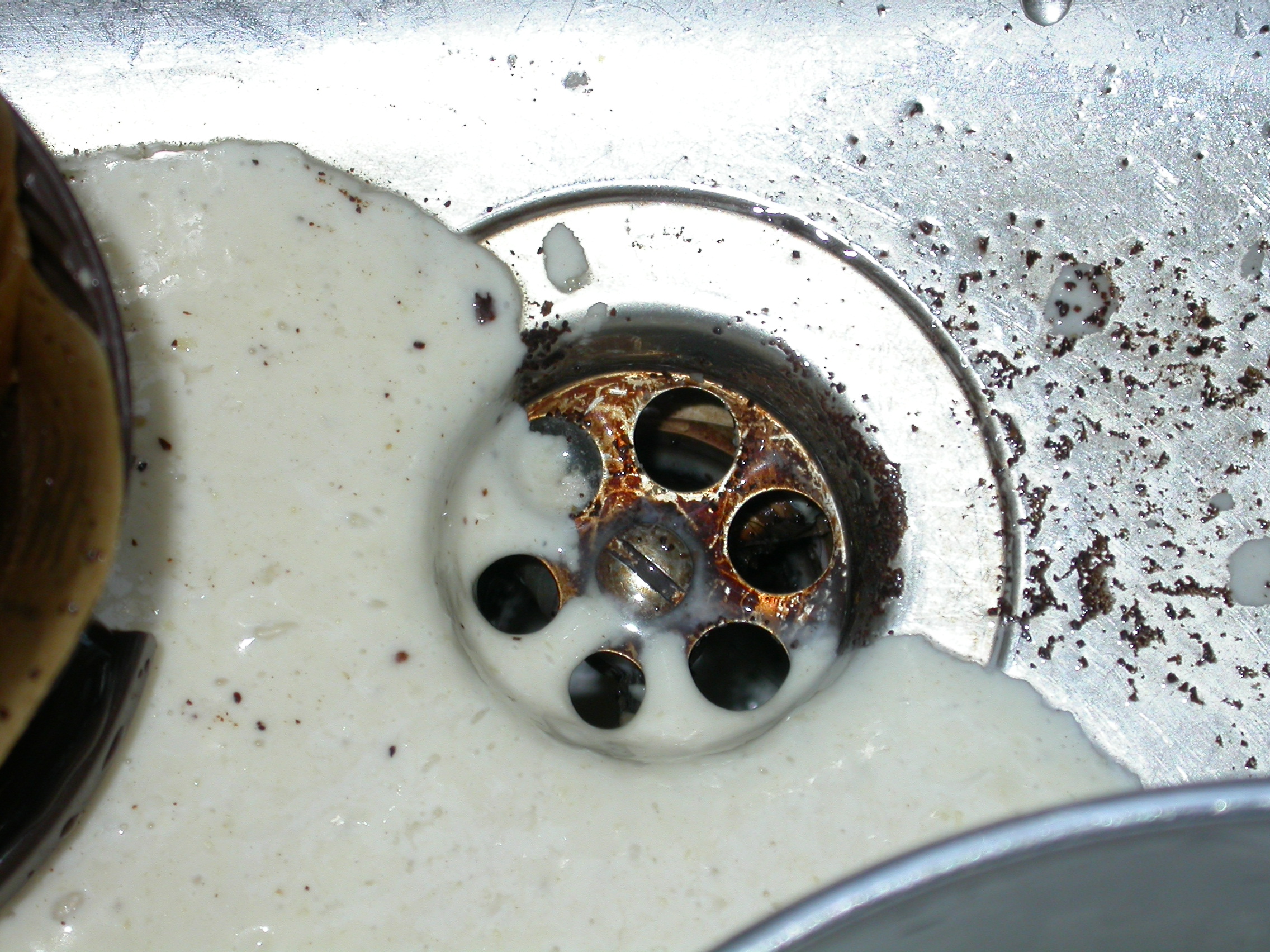
If Blocked Drains Kettering Is So Bad, Why Don’t Statistics Show It?

The practice of unblocking blocked drains kettering has been with us for as long as indoor plumbing existed. Traditional methods included the use of plungers, drain snakes, and chemical solutions. However, in recent years, advances in technology have redefined the process, making it more effective, less time-consuming, and less harmful to the environment.

One notable advancement in this field is the advent of hydro jetting. Hydro jetting is a method used by professional plumbers to clean clogged or slow sewage lines. In layman’s terms, a blast of water at high pressure is sent into the lines that will usually remove blockages and build up. The pressure levels can be adjusted accordingly to the nature of the clog, making it a versatile tool in drain unblocking.

Unlike traditional methods that may merely poke a hole in the blockage, hydro jetting scrubs the pipe walls clean of grease and debris, hence providing a long-term solution to recurrent drain issues. Besides, it also prevents the potential risks of pipe damage associated with mechanical tools. Hydro jetting is credited for its eco-friendliness as it uses plain water without any harmful chemicals. This is a significant advantage, considering the rising environmental concerns associated with chemical drain cleaners.

Another revolutionary development in the drain cleaning space is the use of CCTV drain cameras or sewer cameras. Equipped with contemporary technologies like LED lighting and high-resolution imaging, these cameras can delve into the pipe and thoroughly inspect your sewer lines. The plumbers can simultaneously view the internal footage, which helps precisely locate the blockage, assess its severity, and plan the most effective removal approach.

The usage of sewer cameras nullifies the need for speculative and intrusive excavation work, thus saving time and reducing the inconvenience to a property’s inhabitants. Furthermore, it even aids in the post-clearing phase, allowing a re-inspection to confirm complete blockage removal.

The incorporation of smart technologies in the drain unblocking has not only enhanced the efficiency of the process but has also elevated the service experience. The digital drain unblocking services, for instance, allow instant booking through mobile apps, track service progress, and facilitate secure online payments. Some even offer photo and video evidence of the work done, thereby ensuring full transparency.

Lastly, bio-enzyme drain cleaners are the latest addition to this evolving field. They form the most environmentally friendly drain cleaning solution to date. They work by producing enzymes or bacteria that feed on clogs. These cleaners are perfect for periodic treatment to maintain drain health and prevent clogs rather than for immediate unblocking.

To conclude, the English drain unblocking sphere is experiencing a remarkable evolution with the embracement of advanced techniques like hydro jetting and CCTV inspection. Additionally, the rise of smart services and green cleaning solutions like bio-enzyme cleaners visualizes a future where drain unblocking becomes even more swift, convenient, and environmentally-respectful. Nevertheless, like any technological progress, continuous development and accessibility challenges remain to be addressed for benefiting a wider population.

The right way to Make Your Cctv Drain Survey Kettering Look like 1,000,000 Bucks

The occurrence of blocked drains may invariably cause inconvenience in households and commercial settings alike. This ever-persistent issue continually provokes anxiety for property owners, renters, and business establishments. However, blocked drains are more than just a nuisance, these plumbing issues may signify a more intricate problem within the system that warrants immediate attention and resolution. This article delves into the complexities associated with blocked drains plumbing.

Blocked drains plumbing covers more than just the initial unblocking procedure. The blockages range from mild disruptions in water flow to severe stoppages of waste passage that may culminate into damaging consequences. The extent of the issue relies heavily on the nature of the blockage, its location, the piping material, and the overall drain design. Therefore, an understanding of these myriad factors plays a pivotal role in devising suitable solutions to alleviate such issues.

One major cause of blocked drains is the build-up of materials inside the pipe that gradually restricts water passage. Common culprits are grease, food particles, soap, hair, and sometimes, small objects inadvertently introduced into the system. As such, drain maintenance is paramount in preventing blockages, and this involves the regular clearing of debris and pipe inspection.

The location and accessibility of the blockage greatly influence the approach to be taken in resolving blocked drains. Blockages at trap level or immediately below sinks may be cleared more effortlessly as compared to blockages deeply embedded in the main sewer line or those within concealed pipes. In such cases, technical skills and specific tools would be required, such as plumbing augers and hydro-jet machines for an efficient and safe unblocking process.

It is also important to consider that the age of the pipes and chemical reactions between the waste and the pipe material might lead to deterioration of the pipes and consequently, blockages. Older pipes, particularly those made from metal, are more prone to corrosion, leading to a reduction in diameter over time, accelerating blockage occurrence. On the other hand, plastic pipes, though resistant to corrosion, can go through deformation when exposed to heat, resulting in kinks that can easily foster blockages.

The design and installation of the drainage system may also contribute to blockage issues. Shortcomings in design can cause insufficient drain slope, limited cleanout provisions, and inadequate venting— all leading to blockages. On the side of installation, poor workmanship can result in the misalignment of pipe joints, causing imperfections in the system’s integrity that would later manifest as a blockage.

In conclusion, the complexities surrounding blocked drains plumbing are well-founded. They revolve around the intricacies of the system’s integrity, functionality, and sustainability. Whilst blocked drains are common and seemingly unassuming issues, they can be symptomatic of far more considerable concerns that require professional plumbing intervention and sometimes, system overhaul. Hence, it is important to maintain regular drain unblocking kettering cleaning and inspection routines to preempt these drain issues before escalation. Today’s blocked drain may be tomorrow’s plumbing catastrophe if left unresolved, underscoring the importance of staying ahead of potential plumbing emergencies.

Will Blocked Drains Kettering Ever Die?

When it comes to the maintenance of a home or office, plumbing is often an overlooked aspect until a problem arises. One such common yet daunting problem is a blocked drain which, despite the apparent simplicity of its name, encompasses a complex world of plumbing knowledge, skills, and techniques.

A drain blockage can signify a multitude of underlying issues, such as poor pipe installation, expired pipes, or the accumulation of foreign objects and substances. The implications of blocked drains extend beyond mere inconvenience and can lead to pipe damage, water leaks, ground and structural damage, and even health hazards due to the accumulation of bacteria.

The science of plumbing dedicated to blocked drains commences with the recognition of common warning signs. These include slow water drainage, foul smell emanating from the drain, gurgling noises from sinks, toilets, or plug holes, and continual need to plunge. Decoding these signs is paramount for early detection and efficient remediation of blockages.

One of the primary causes of blocked drains is the accumulation of foreign substances and objects. This includes hair, grease, food particles, and non-flushing products such as baby wipes and sanitary products. When dumped regularly into drains, they can stick to the inside of pipes, gradually leading to blockage. Thus, awareness and education about proper drain use are key to prevent this issue.

Another common reason for drain unblocking kettering blockages is structural complications such as incorrect pipe installation, pipe misalignment, or physical damage to the pipes. These problems may not be as easily preventable as the accumulation of debris and usually require professional intervention for resolution.

Innovative techniques and tools have now been introduced to tackle blocked drains more effectively. Drain snakes, hydro jets, electric drain cleaners, and even more sophisticated equipment like drain cameras serve as crucial gear in the plumber’s toolbox. Particularly, drain cameras have revolutionized the plumbing sector by enabling precise inspection and location of blockages, hence optimizing repair efforts.

Though numerous preventive measures like regular drain cleaning and mindful drain use can minimize the occurrence of blocked drains, the need for professional oversight is indispensable. Not only are professional plumbers equipped with advanced tools and techniques, but they also possess the necessary expertise to identify critical problems and implement appropriate solutions. They bring in their breadth of experience to identify subtle signs of underlying issues and suggest preemptive actions, thereby evading potential catastrophic damage.

Further, evolving plumbing science also underscores the need for incorporating sustainable practices to protect the environment. Traditional methods of drain cleaning often used harmful chemicals that could seep into the soil and groundwater. Today, eco-friendly and efficient alternatives such as enzymatic drain cleaners are gaining popularity, showing a promising shift towards greener plumbing practices.

On the whole, the seemingly simple issue of blocked drains invites an interesting exploration of the world of plumbing. It pushes us to acknowledge the complexities involved in maintaining our homes and offices. It serves as a reminder that proactive measures, regular maintenance checks, professional interventions, and sustainable practices can go a long way in ensuring the smooth functioning of our plumbing systems while minimizing long-term expenses and environmental harm.

Lies You’ve Been Told About Cctv Drain Survey Kettering

Drain blockages cannot only cause a lot of inconvenience, but also result in potential health hazards by breeding bacteria and causing overflows. The modern plumbing industry, however, has taken exponential strides in circumventing these issues with advances in technology and innovative techniques. Contrary to the conventional methods, these demonstrated advancements offer superior efficiency, minimal invasiveness, and environmentally-friendly solutions.

One such revolutionary advancement is the Hydro Jetting technique. Traditionally, plumbers used snakes and plungers to physically remove the blockage, which were only beneficial for minor clogs and did not provide a thorough cleaning effect. With Hydro Jetting, a high-pressure water stream is directed into the pipes, effortlessly clearing stubborn blockages and thoroughly descaling the pipe walls. It is highly effective against grease, scale, and tree root incursions that typically cause severe clogs. Despite its high power, Hydro Jetting is gentler on the pipes, avoiding the risk of physical damage.

The second significant advancement is the use of CCTV Drain Inspection technology. Previously, identification of drain blockages was largely hit-or-miss, leading to unnecessary excavations and prolonged resolution times. The use of CCTV cameras now allows professionals to visually inspect the state of the drainage system and precisely identify the blockage point and type. This diagnostic accuracy not only minimizes disruption and excavation but also helps detect potential issues that could cause future blockages.

Another pivotal advance is the Trenchless Drain Repair technology, which counteracts the need for destructive excavation to reach and repair blocked drains. Techniques like pipe relining allow the creation of a new pipe within the old, damaged one without extensive digging. It not only saves time and restoration costs but also preserves aesthetics, making it especially useful for blocked drains under landscaped gardens, driveways, or other hard-to-reach areas.

Lastly, the increasing adoption of Drain Maintenance Products marks another milestone in preventing blocked drains kettering drains. Traditionally, homeowners largely depended on harsh chemical drain cleaners, which further damaged the pipes and were hazardous to the environment. The modern market offers a range of eco-friendly, biodegradable products that are safe for the pipes and the environment, while effectively preventing clogs by breaking down fats, oils, and grease accumulated in the drains.

In conclusion, these demonstrable advances in dealing with blocked drains have switched the focus from ‘fixing the issue’ to ‘preventing the issue.’ Plumbing has gone from being generic to customized, offering solutions specific to each household’s needs. We are transitioning into an era where advanced technologies are not only simplifying the onerous task of drain unblocking, but are also making it safer, quicker, and eco-friendlier.

Drain Unblocking Kettering Explained

Blocked drains can pose serious health risks and environmental problems if not attended to promptly and professionally. When these issues reach a state of emergency, it creates a series of problems that can disrupt daily household activities and pose severe damage to the infrastructure of a home or community. This report highlights the causes, impacts, and solutions related to emergency blocked drains.

Firstly, understanding the causes of blocked drains is crucial. The culprits often include a buildup of fats, oils and grease that solidify over time, and the accumulation of objects such as wet wipes, hair, or food waste. In rare instances, external factors like tree roots or pipe misalignment may lead to blockage.

The impact of blocked drains can be catastrophic. Firstly, an immediate consequence is the disruption it causes to the drainage system making it the improper use of bathroom facilities and kitchen sinks uncomfortable. At its worst, it could cause flooding in an affected area, damage to property, and contamination of water supply which is a significant health risk. Additionally, inappropriate handling of blocked drains can lead to long-term problems like pipe damage and costly repairs.

The environmental impact of blocked drains must also be considered. Untreated wastewater flooding often contaminates groundwater, and such pollution can damage local ecosystems, affecting plant and animal life. Moreover, it can contribute to waterborne diseases if enters to local rivers, lakes, and eventually into oceans.

Addressing these emergency blocked drains requires immediate professional intervention. Unblocking drains is not a DIY task as incorrectly attempting to unblock a cctv drain survey kettering can exacerbate the situation. Call on the services of professional drain cleaning companies. They are equipped with the right tools, such as powerful jet cleaners, to tackle the blockage without damaging the pipes or exacerbating the blockage.

Prevention always supersedes cure. Avoid indiscriminate disposal of fats, oils, and grease. Regularly clean and maintain household drain systems, and train everyone in the household on what can and cannot be thrown away.

Overall, emergency blocked drains can lead to serious health, environmental, and infrastructure consequences. Timely intervention by professionals coupled with preventive measures can minimize the risks and damages associated with it.

In conclusion, emergency blocked drains are a serious concern that requires immediate, professional attention. By understanding the causes and taking measures to avoid blockages, as well as calling in professionals when preventative measures fail, it is possible to keep drains clear, avoid health risks, prevent environmental damage, and reduce the costs associated with drain repairs and infrastructural damage. A collaborative effort by all individuals can play a significant role in managing this ongoing issue.

9 Blocked Drains Kettering You Should Never Make

Blocked drains can emerge as an unexpected crisis in residential and commercial settings, causing inconvenience, frustration, and severe sanitation problems. The prevalence, impact, and resolution of these emergency incidents can be critically understood through observational research.

At the firsthand observation, a blocked drain presents itself with specific symptoms that include slow water drainage, gurgling noises from drains, foul odours, and water accumulation. Depending upon the severity of the blockage and negligence, these symptoms aggravate, intensifying the sanitation concern. For instance, a drain left unattended may cause wastewater overflow, damaging property and becoming a potential health hazard.

In mitigating this crisis, a crucial role is played by professional plumbers. They are equipped with power rods, hydro jets, and even CCTV cameras to unblock drains. Emergency plumbers work round-the-clock to ensure quick response and remediation. Observation of their work procedures reveals an organized and methodical approach: locating the blockage, identifying the cause, and strategizing the best remediation.

From an observational standpoint, many blocked drains emergencies are often side effects of poor maintenance practices. Flushing inappropriate materials down the drain — from fats and oils to nappies and wipes — leads to blockage over time. Moreover, external factors like tree root intrusion into the pipelines also contribute to the blockages.

One of the most significant findings during the research was how emergency plumbers’ response to such crisis situations has evolved. In addition to traditional methods of unblocking, they are adopting high-tech equipment, such as CCTV cameras, to detect blockages and determine their cause. This helps in formulating a more precise strategy for drain cleaning, saving both time and resources.

The observational research also highlighted the role of preventive measures in avoiding such emergencies. Regular drain cleaning using bio-friendly substances can maintain the proper functioning of drains. Moreover, professional drain surveys can detect potential blockages before they surpass controllable limits.

Despite these initiatives, the recurrence of blocked drains kettering drain emergencies underlines the necessity for public awareness. Most people usually underestimate the potential harm of blocked drains, until they experience the distressing aftermath. Educating the public on proper waste disposal practices can significantly reduce these emergencies.

Another interesting observation was the broadened scope of emergency drainage services. Earlier, these services were primarily oriented towards unblocking, but presently, they offer a comprehensive package of drain repair, maintenance, and installation. This ensures that customers are not just receiving a quick fix but a lasting solution.

In conclusion, emergency blocked drains are a widespread issue, often overlooked until it turns into a full-blown crisis. Observational analysis underscores a multi-dimensional problem extending beyond immediate remediation, one that indeed calls for an integrated approach. This includes advancement in professional services, proactive maintenance practices, and broader public awareness about suitable drain usage. By emphasizing these factors, we can mitigate the occurrence of such emergencies, making our lives more comfortable and our environment cleaner.

Drain Unblocking Kettering Works Only Under These Conditions

Drain unblocking is an essential aspect that directly impacts sanitation, hygiene, and the overall quality of life in any setting, be it residential or commercial. This report provides an in-depth study of new work being carried out in the area of drain unblocking, providing a detailed examination of the evolving techniques, equipment, and progress in the field.

The first point of focus in the recent work concerning drain unblocking is the increased implementation of modern technology. In an attempt to reduce the labor-intensive nature of the task and improve efficiency, devices such as cctv drain survey kettering cameras have emerged as an invaluable asset. These cameras allow professionals to investigate the cause of blockages without invasive procedures, cutting down the time consumed significantly. Additionally, they help in inspecting the drains’ integrity post-service to ensure the effectiveness of the operation.

The second development to note is the use of high-pressure water jets instead of traditional drain rods, which are gradually becoming obsolete. Water jets, with their high-pressure streams, are capable of clearing off most types of blockages including grease, fat, and silt. Hydraulically powered, they offer more flexibility and adaptability compared to their rod counterparts. They can reach deeper into the drain and have the power to cut through tree roots, a major cause of blockages.

Electromechanical machines, also known as drain snakes, represent the third innovation in drain unblocking. These machines, equipped with cutting blades, can clear hard blockages that cannot be solved through water jetting, offering a more comprehensive solution.

As an alternative to conventional mechanical methods, a bio-friendly approach towards drain unblocking is also gaining traction. The application of eco-friendly drain cleaning agents, primarily composed of bacteria or enzymes, serves as an effective measure for breaking down common blockage substances like food particles, grease, and hair. They are safe for use in all types of pipes and contribute to reducing environmental pollution.

Another noteworthy innovation in the field is the ‘Smart Drains’ system, an integration of IoT technologies into drainage systems for predictive maintenance. Sensors installed within the drain systems can monitor real-time data, predict potential blockage problems, and send alerts, allowing for timely intervention and preventing major blockages. This not only eases maintenance but also significantly minimizes the chances of a sudden, severe blockage.

Lastly, adhesive patch repairing, a revolutionizing method of repair post-unblocking, is making a significant impact. This non-invasive technique uses resin-impregnated patches that harden within the pipeline, restoring the original integrity of the drain.

In conclusion, the new work in drain unblocking is marked by a shift towards greater efficiency and eco-friendliness. Technological advancements have bridged the gap between traditional and modern methods, resulting in increased effectiveness in tackling blockages. The adoption of these techniques is rapidly increasing globally, suggesting a future where drain unblocking will be quicker, cleaner, and less invasive. As drains form a crucial component of our infrastructure, innovations in this field are vital and welcome for health, hygiene, and environmental sustainability.