
One of the most critical aspects of maintaining a structurally sound residential or commercial building is the proper functioning of the drainage system. When functioning smoothly, a drainage system ensures a hygienic environment by disposing of wastewater efficiently. However, a blockage in these drains can lead to a sudden emergency, causing the entire system to falter, posing potential threats to health, hygiene and structural integrity. Understanding the causes, consequences, and solutions for emergency blocked drains can help individuals preserve their properties effectively.
Numerous factors contribute to this emergency scenario. The most prevalent cause is the inappropriate disposal of non-biodegradable items such as paper towels, sanitary products, and baby wipes down toilets or sinks. Fat, oil, and grease, which are common remnants of food preparation, can also solidify within pipes, creating substantial obstacles for wastewater disposal. Additionally, natural debris, such as fallen leaves or tree roots infiltrating pipes, can create problematic blockages. Use of heavy-duty cleaning chemicals can also accumulate and harden over time, further exacerbating the issue.
A blocked drain often manifests through certain evident signs. Slow draining of water, unusual noises, unpleasant odors, and problems with flushing toilets may all be indicative of obstruction. If left unnoticed or untreated, these issues can escalate rapidly, leading to more severe consequences like water or sewage backups, which may cause significant damage to the property and severe health hazards. Hence, it is crucial to address these blockages promptly to prevent further complications.
Several techniques can address emergency blocked drains. It ranges from DIY methods for small, accessible clogs, to professional help for major blockages. A simple home remedy is a plunger, applied to the drain to create enough suction to dislodge the blockage. Alternatively, a plumber’s snake, a flexible coil usually made of steel, can be used to physically break down the obstacles. If small-scale methods do not suffice, a high-pressure water jetter can be employed to clear a blocked drain.
However, the troubleshooting complexity may often necessitate skilled professionals’ involvement. Drainage specialists are trained to handle such emergencies, equipped with advanced techniques like hydro-jetting to break major obstructions. They can even resort to a CCTV drain unblocking aylesbury survey, which gives an inside view of the drain pipe, pinpointing the blockage’s exact location and identifying it accurately. Trained professionals also understand the complex network of pipes, ensuring their methods do not damage the system further.
Beyond dealing with emergencies, preventive measures to avoid blocked drains can significantly reduce the chance of such crises. Avoid disposing of non-biodegradable material and food remnants in sinks and toilets. Regularly cleaning drain openings and using bacterial drain cleaners can also prevent buildups. Further, periodic inspection of drainage systems, preferably by professionals, promotes early detection and resolution of potential issues.
In conclusion, emergency blocked drains can pose significant challenges but understanding the causes, recognizing early signs, and staying informed about effective solutions can significantly mitigate these problems. Furthermore, adopting disciplined disposal habits with regular maintenance and inspections can largely prevent such emergencies, promoting a more hygienic and safer living environment.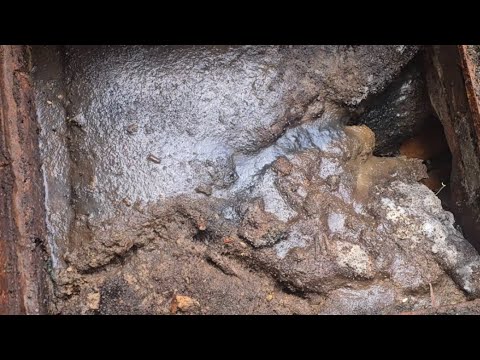
 A common misconception among homeowners is to dismiss the importance of blocked drain repair, viewing them as merely inconvenient instead of potentially catastrophic. In reality, neglecting blocked drains can lead to a buildup of pressure within your plumbing system, which can cause pipes to burst if not attended to promptly. The explosion of a pipeline due to massive pressure is, unfortunately, an event we’ve had to examine more times than preferred.
 In maintaining a safe, clean, and efficient living environment, the state of the sewage and drainage system ranks highly. Any interruption in this system has destructive impacts, visually and on health. This case study presents an incident that occurred in a residential neighborhood in Toronto, Canada in 2019 where a strategic response for the emergency blocked drains was launched. The situation showed a vertical perspective for the community; from everyday life to government officials.
 The second significant advancement is the use of CCTV Drain Inspection technology. Previously, identification of drain blockages was largely hit-or-miss, leading to unnecessary excavations and prolonged resolution times. The use of CCTV cameras now allows professionals to visually inspect the state of the drainage system and precisely identify the blockage point and type. This diagnostic accuracy not only minimizes disruption and excavation but also helps detect potential issues that could cause future blockages.