Kitchen drains are an integral part of our daily life, enabling us to maintain cleanliness and hygiene in our homes. However, they can often become blocked, causing a lot of inconvenience and potentially leading to serious plumbing issues. This report aims to provide an in-depth understanding of blocked kitchen drains, their causes, effects, prevention, and solutions.

Blocked kitchen drains are a common household problem, which can disrupt daily routines. The blockage is usually caused by the accumulation of food waste, grease, or other foreign objects that restrict the free flow of water. Over time, these substances can build up on the inner walls of the pipes, leading to a complete or partial blockage.

The most common sign of a blocked kitchen drain is slow drainage. Water takes longer to drain, or it may not drain at all. Other symptoms include unpleasant odors, gurgling sounds from the drain, and in severe cases, backflow of water.

Blocked drains can have several negative effects. Firstly, they can cause water to back up in the sink, leading to a potential overflow. This can result in water damage to your kitchen, which can be costly to repair. Secondly, blocked drains can lead to the growth of bacteria and mold, posing a health risk to the inhabitants of the house. Lastly, if left untreated, blocked drains can cause significant damage to your plumbing system, leading to expensive repairs or replacements.

Preventing kitchen drain blockages is always better than dealing with the aftermath. Here are some preventive measures. Firstly, avoid disposing of food waste, especially oil and grease, down the drain. Instead, dispose of them in a trash bin. Secondly, use a sink strainer to catch larger food particles and other objects that could potentially block the drain. Thirdly, regularly clean your drain with a mixture of hot water and vinegar or baking soda, which can help dissolve minor blockages and prevent the build-up of grease and food waste.

Despite these preventive measures, kitchen drain blockages can still occur. When they do, there are several solutions. The first step is to use a plunger, which can dislodge the blockage and restore the flow of water. If the blockage persists, a plumber’s snake can be used to break up the blockage. For more severe blockages, it may be necessary to call a professional plumber, who has the tools and expertise to resolve the issue without causing further damage to the plumbing system.

In conclusion, blocked kitchen drains are a common issue that can cause significant inconvenience and potential damage to your home. However, by understanding the causes and effects of blocked drains, adopting preventive measures, and knowing how to resolve blockages, you can maintain a functional and healthy kitchen cctv drain survey elmbridge system. Remember, if the problem persists or escalates, it is always advisable to seek professional help to avoid causing further damage to your plumbing system.

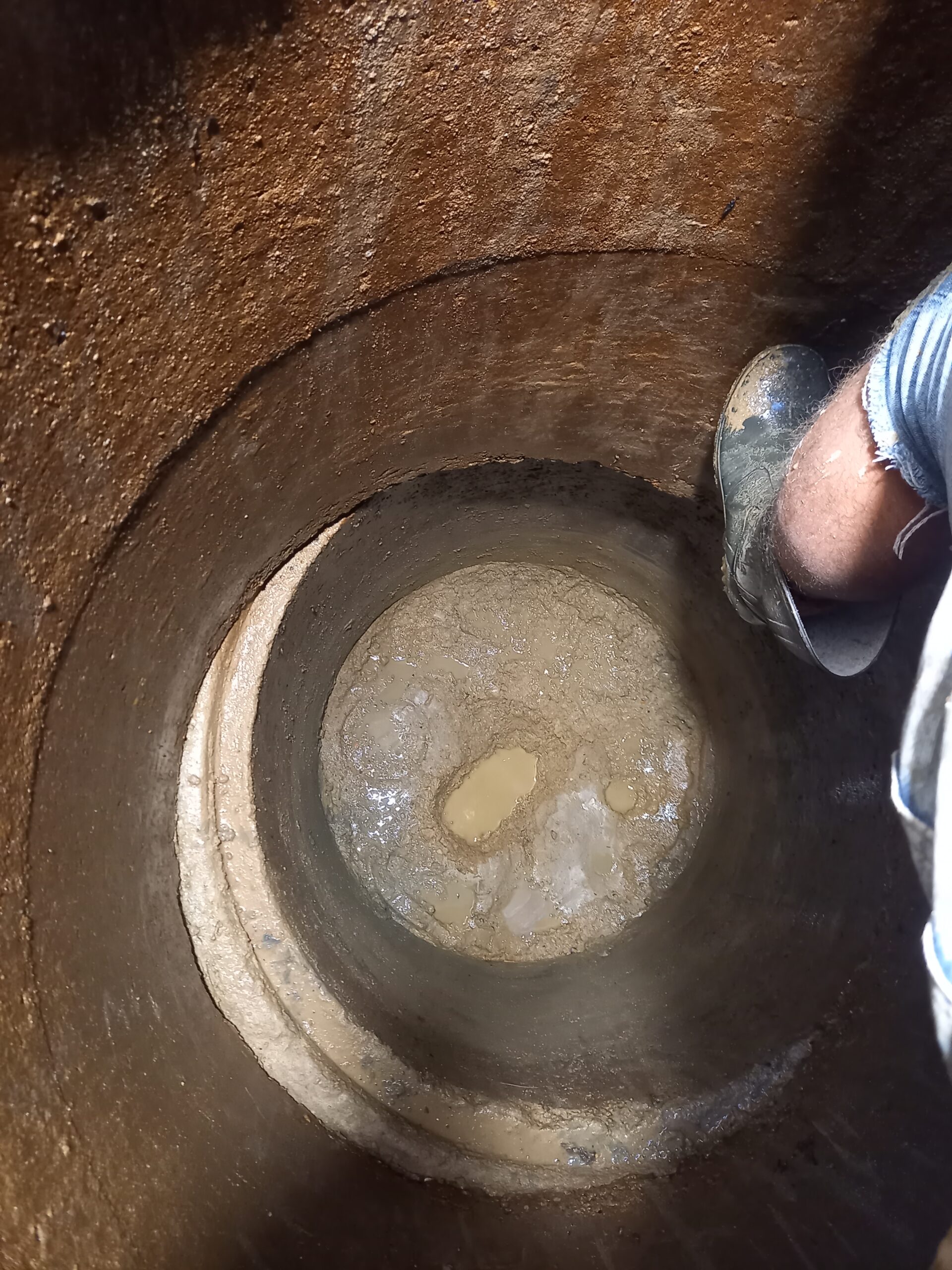
The kitchen, often referred to as the heart of the home, is a place where meals are prepared, and families gather to share food and love. However, it can also be a source of frustration when problems arise, such as blocked drains. Blocked drains in the kitchen can lead to a host of issues, including foul odours, potential health hazards, and costly repairs if not addressed promptly. This report aims to provide a comprehensive overview of the problem of blocked drains in the kitchen, its causes, implications, and possible solutions.

One of the primary causes of blocked kitchen drains is the improper disposal of food waste. Many people mistakenly believe that the kitchen sink is a suitable place to dispose of all types of food waste. However, certain types of food debris, such as coffee grounds, eggshells, and grease, can accumulate over time and lead to blockages. Similarly, large food particles should not be washed down the drain as they can easily get stuck and cause a blockage.

Another contributing factor to blocked kitchen drains is the accumulation of fat, oil, and grease, collectively known as FOG. When these substances are poured down the drain, they solidify and stick to the inner walls of the pipes, gradually leading to a blockage. The problem is exacerbated when hot water is used to wash down FOG, as it cools and solidifies in the pipes.

Blocked drains can have several negative implications. Firstly, they can lead to slow drainage, which can be very frustrating. This can also lead to water pooling in the sink, making it difficult to use for daily tasks. Secondly, blocked drains can create unpleasant odours, as the food debris trapped in the pipes begins to decompose. Lastly, in severe cases, blocked drains can cause leaks or even burst pipes, leading to potentially costly repairs.

Prevention is always better than cure, and this is particularly true when it comes to blocked drains. One of the most effective ways to prevent blocked drains is to be mindful of what goes down the drain. Avoid disposing of food waste in the sink, especially FOG and hard food particles. It’s also a good idea to use a sink strainer to catch any food debris.

Regular cleaning can also help prevent blockages. This can be done using a plunger, a plumber’s snake, or a hand auger. For more stubborn blockages, a mixture of baking soda and vinegar can be poured down the drain, followed by hot water.

However, if the blockage persists, it’s advisable to call in a professional plumber. They have the necessary tools and expertise to effectively clear the blockage without causing any damage to the pipes.

In conclusion, blocked drains elmbridge drains in the kitchen are a common problem caused by the improper disposal of food waste and the accumulation of FOG. They can lead to a host of issues, including slow drainage, unpleasant odours, and in severe cases, leaks or burst pipes. However, with proper disposal practices and regular cleaning, it’s possible to prevent and address this issue. When all else fails, a professional plumber can provide an effective solution.

The kitchen is the heart of every home, a place where meals are prepared, and families gather. However, it’s also a common area where plumbing problems occur, particularly blocked drains. This case study examines the issue of kitchen drain blockages, the common causes, and the effective techniques for unblocking them.

The problem of blocked kitchen drains is a common one, affecting numerous households. This issue is often caused by the accumulation of grease, food particles, and other debris in the pipes. Over time, these substances can harden and stick to the pipe walls, leading to blockages. The consequences of such blockages can be severe, causing water to back up, foul odors, and potential damage to the plumbing system.

In this case study, we will focus on a specific instance of a kitchen drain blockage in a suburban home. The homeowners, a family of four, noticed that their kitchen sink was draining slowly and occasionally emitted a foul smell. They tried using a plunger and a commercially available drain cleaner, but these methods only provided temporary relief. The problem persisted, and the homeowners decided to seek professional help.

A certified plumber was called to inspect the problem. After a thorough examination, it was determined that the issue was indeed a blocked drain. The plumber explained to the homeowner that the blockage was likely due to the accumulation of grease and food particles. The family often cooked at home and disposed of cooking oil and food waste in the sink, despite having a garbage disposal unit.

The plumber used a combination of techniques to unblock the drain. Firstly, he used a sink plunger to try and dislodge the blockage. When this did not work, he moved on to a plumber’s snake, a flexible coil of wire that can reach deep into the drain to break up the blockage. However, the blockage was stubborn and couldn’t be cleared using this method.

Finally, the plumber decided to use a technique called hydro jetting. This method involves using high-pressure water to blast through the blockage and clean the pipe walls. The plumber explained that this method is highly effective for stubborn blockages, as it not only removes the blockage but also cleans the pipe walls, preventing future blockages.

The hydro jetting technique was successful, and the kitchen drain was unblocked. The water started to flow freely, and the foul smell was gone. The homeowners were relieved and satisfied with the result.

To prevent future blockages, the plumber provided the homeowners with some advice. He suggested that they avoid disposing of grease and food waste in the sink. Instead, they should use a compost bin for organic waste and dispose of grease in a sealed container. He also recommended regular maintenance of the drain, including using a drain cleaner every few months and scheduling professional inspections yearly.

This case study highlights the importance of proper kitchen drain unblocking elmbridge maintenance and the effectiveness of professional techniques for unblocking drains. While homeowners can take measures to prevent blockages, some blockages may require professional intervention. In such cases, techniques such as hydro jetting can be highly effective.

In conclusion, kitchen drain blockages can be a significant inconvenience, but with the right techniques and preventive measures, they can be effectively managed. This case study demonstrates that professional plumbing services, combined with responsible disposal of kitchen waste, can ensure a smoothly functioning kitchen drain system.

Blocked drains in bathrooms are a common household problem, leading to water pooling, unpleasant odours, and potential damage to the plumbing system. The traditional methods of unclogging drains, such as using a plunger or chemical drain cleaners, are often ineffective, messy, and potentially harmful to the environment. However, recent advancements in technology have revolutionized the way we tackle this issue, offering more effective, efficient, and eco-friendly solutions to blocked drains.

One of the most significant advancements in this field is the development of high-pressure water jetting systems. These systems use a high-pressure water jet to blast through blockages, effectively dislodging and removing the obstruction without damaging the pipes. This method is not only more effective than traditional methods, but also safer for the environment as it does not involve the use of harmful chemicals.

Another notable innovation is the use of CCTV drain surveys. This technology involves inserting a small camera into the drain to locate the blockage, allowing for a more targeted and efficient approach to unclogging. This method minimizes the need for guesswork and unnecessary work, saving time and resources. Furthermore, it allows for early detection of potential issues, preventing more serious problems down the line.

Drain snakes, or drain augers, have also seen significant improvements. Modern drain snakes are equipped with cutting heads that can cut through stubborn blockages like tree roots. Some models even have cameras attached, combining the benefits of a CCTV drain survey with the effectiveness of a drain snake.

The use of natural, enzyme-based drain cleaners is another breakthrough in the field. These cleaners use enzymes or bacteria to break down the blockage, offering a more eco-friendly alternative to chemical drain cleaners. Not only are these products safer for the environment, but they’re also less likely to damage pipes, making them a more sustainable solution in the long run.

In addition to these advancements, there are also new preventative measures available. For example, drain guards and hair catchers can be installed to prevent debris from entering the drain unblocking elmbridge in the first place. These devices are easy to install and clean, making them a simple yet effective solution.

Smart technology has also made its way into the drainage industry. There are now smart drains that can monitor for blockages and alert homeowners when a blockage is detected. Some even have the ability to automatically clear minor blockages, preventing them from becoming more serious issues.

Despite these advancements, education and awareness remain crucial. Understanding what can and cannot be flushed down the toilet or washed down the sink can go a long way in preventing blocked drains. Items like wet wipes, cooking grease, and coffee grounds should never be disposed of in drains as they can easily lead to blockages.

In conclusion, the advances in tackling blocked drains in bathrooms have come a long way. From high-pressure water jetting systems and CCTV drain surveys to enzyme-based drain cleaners and smart drains, these innovations offer more effective, efficient, and environmentally friendly solutions. However, it’s important to remember that prevention is always better than cure. By being mindful of what we dispose of in our drains and taking advantage of preventative measures, we can keep our drains running smoothly and avoid the hassle of dealing with blocked drains.

The world of drainage inspection has been revolutionized by the advent of CCTV drain surveys. This technology has not only made the process more efficient and accurate but also significantly reduced the disruption caused by traditional methods. This article aims to shed light on the recent advancements in CCTV drain survey technology and how they have improved on what is currently available.

CCTV drain surveys, also known as pipe inspections, involve the use of special cameras to inspect the condition of underground pipes and drains. Traditionally, this process was time-consuming and disruptive, requiring the digging of trenches to access the pipes physically. However, with the introduction of CCTV technology, it is now possible to conduct thorough inspections without any excavation.

The first significant advancement in CCTV drain survey technology is the miniaturization of the cameras. Modern CCTV cameras are small enough to navigate even the narrowest of pipes, providing clear, high-resolution images of the pipe’s interior. This allows for the detection of even the smallest cracks, blockages, or leaks that would have been impossible to spot using traditional methods.

Another major improvement is the integration of advanced software into the CCTV drain survey process. This software can analyze the video footage in real-time, identifying potential issues and providing detailed reports on the pipe’s condition. This not only speeds up the inspection process but also increases its accuracy, as the software can detect issues that a human inspector might miss.

The use of remotely operated vehicles (ROVs) is another significant advancement in CCTV drain survey technology. These ROVs can navigate through the pipe network, carrying the CCTV camera and other inspection equipment. This allows for the inspection of larger and more complex pipe networks, including those that are underwater or inaccessible by other means.

The use of drones in CCTV drain surveys is a recent development that has the potential to revolutionize the industry further. Drones equipped with cctv drain survey elmbridge cameras can fly over large areas, inspecting drainage systems from above. This can be particularly useful in inspecting large industrial sites or municipal drainage systems, reducing the time and effort required to conduct these inspections.

The introduction of 3D imaging technology in CCTV drain surveys is another recent advancement. This technology can create a three-dimensional model of the pipe network, providing a more comprehensive view of its condition. This can be particularly useful in planning maintenance or repair work, as it allows for a more accurate assessment of the work required.

Another significant development is the use of infrared and thermal imaging in CCTV drain surveys. These technologies can detect temperature differences within the pipe, which can indicate the presence of leaks or blockages. This can be particularly useful in detecting issues in pipes that are buried deep underground, where traditional inspection methods may not be effective.

CCTV drain surveys have also benefited from advancements in data storage and sharing technology. Modern systems can store large amounts of video footage and other inspection data, which can be easily shared with other parties. This can be particularly useful in situations where multiple parties are involved in the maintenance or repair of a drainage system, such as in the case of municipal drainage systems or large industrial sites.

In conclusion, the recent advancements in CCTV drain survey technology have significantly improved the process of inspecting drainage systems. These advancements have made the process more efficient, accurate, and less disruptive, providing a more comprehensive view of the pipe’s condition. As technology continues to evolve, it is expected that CCTV drain surveys will continue to improve, further revolutionizing the industry.

The kitchen is the heart of every home, a place where meals are prepared, and families gather. However, it’s also a common area where plumbing problems occur, particularly blocked drains. This case study examines the issue of kitchen drain blockages, the common causes, and the effective techniques for unblocking them.

The problem of blocked kitchen drains is a common one, affecting numerous households. This issue is often caused by the accumulation of grease, food particles, and other debris in the pipes. Over time, these substances can harden and stick to the pipe walls, leading to blockages. The consequences of such blockages can be severe, causing water to back up, foul odors, and potential damage to the plumbing system.

In this case study, we will focus on a specific instance of a kitchen drain blockage in a suburban home. The homeowners, a family of four, noticed that their kitchen sink was draining slowly and occasionally emitted a foul smell. They tried using a plunger and a commercially available drain cleaner, but these methods only provided temporary relief. The problem persisted, and the homeowners decided to seek professional help.

A certified plumber was called to inspect the problem. After a thorough examination, it was determined that the issue was indeed a blocked drain. The plumber explained to the homeowner that the blockage was likely due to the accumulation of grease and food particles. The family often cooked at home and disposed of cooking oil and food waste in the sink, despite having a garbage disposal unit.

The plumber used a combination of techniques to unblock the drain. Firstly, he used a sink plunger to try and dislodge the blockage. When this did not work, he moved on to a plumber’s snake, a flexible coil of wire that can reach deep into the drain to break up the blockage. However, the blockage was stubborn and couldn’t be cleared using this method.

Finally, the plumber decided to use a technique called hydro jetting. This method involves using high-pressure water to blast through the blockage and clean the pipe walls. The plumber explained that this method is highly effective for stubborn blockages, as it not only removes the blockage but also cleans the pipe walls, preventing future blockages.

The hydro jetting technique was successful, and the kitchen drain was unblocked. The water started to flow freely, and the foul smell was gone. The homeowners were relieved and satisfied with the result.

To prevent future blockages, the plumber provided the homeowners with some advice. He suggested that they avoid disposing of grease and food waste in the sink. Instead, they should use a compost bin for organic waste and dispose of grease in a sealed container. He also recommended regular maintenance of the drain, including using a drain cleaner every few months and scheduling professional inspections yearly.

This case study highlights the importance of proper kitchen cctv drain survey elmbridge maintenance and the effectiveness of professional techniques for unblocking drains. While homeowners can take measures to prevent blockages, some blockages may require professional intervention. In such cases, techniques such as hydro jetting can be highly effective.

In conclusion, kitchen drain blockages can be a significant inconvenience, but with the right techniques and preventive measures, they can be effectively managed. This case study demonstrates that professional plumbing services, combined with responsible disposal of kitchen waste, can ensure a smoothly functioning kitchen drain system.

Introduction

A blocked drains elmbridge kitchen drain can be a significant inconvenience, leading to foul odours, water backup, and potential damage to your plumbing system. It is an issue that homeowners commonly face and can sometimes turn into a recurring problem if not dealt with appropriately. This case study aims to discuss the best practices for unblocking kitchen drains, the importance of regular drain maintenance, and the role of professional drain cleaning services.

Case Presentation

The case in focus is a home in the suburbs of New York where the residents were dealing with a stubbornly blocked kitchen drain. The homeowners had tried a variety of DIY methods, including using a plunger and pouring hot water down the drain, but to no avail. A professional plumber was eventually called in to assess and rectify the situation.

Upon arrival, the plumber began by determining the cause of the blockage. The kitchen drain was clogged due to a combination of food residue, grease, and soap scum that had built up over time. The plumber used a drain snake, also known as a plumber’s snake or drain auger, to break up the clog and clear the drain.

The drain snake was inserted into the drain and pushed down until it reached the blockage. The handle was then turned, causing the snake to break up the clog and push it down the drain. This process was repeated until the drain was completely clear and water could flow freely.

After clearing the blockage, the plumber advised the homeowners on the importance of regular drain maintenance to prevent future clogs. This included scraping plates clean before washing them, not pouring grease or oil down the drain, and using a drain guard to catch any large pieces of food.

The plumber also recommended a professional drain cleaning service every few years to ensure that the drains remain clear and functional. This service typically involves using high-pressure water jets to remove any build-up within the pipes, which can be more effective than a drain snake for stubborn or recurring clogs.

Discussion

The case highlights the importance of professional intervention in dealing with stubborn kitchen drain blockages. While DIY methods can be effective for minor clogs, more severe blockages often require the use of professional tools and expertise.

Moreover, the case also underscores the significance of regular drain maintenance. Simple practices such as scraping plates clean, not pouring grease down the drain, and using a drain guard can go a long way in preventing blockages.

Additionally, the need for professional drain cleaning services is emphasized. These services can effectively remove any build-up within the pipes, ensuring that your drains remain clear and functional.

Conclusion

In conclusion, unblocking a kitchen drain can be a complex task that often requires professional intervention. Regular drain maintenance and the use of professional drain cleaning services can help prevent blockages and ensure the longevity of your plumbing system.

This case study provides valuable insights into the best practices for dealing with blocked kitchen drains. It serves as a reminder of the importance of proper drain care and the role of professional services in maintaining the health of your plumbing system.

It’s a common household scenario: you’re taking a shower, and you notice the water isn’t draining as quickly as it should. Before you know it, you’re standing in a puddle. The culprit? A blocked shower drain. This seemingly minor issue has become a growing residential concern, affecting countless households across the country.

Blocked drains in showers are not just an inconvenience; they can lead to significant problems if left unattended. Not only does it hamper the showering experience, but it can also result in costly repairs, potential health hazards, and a negative impact on the environment.

The reasons behind a blocked shower drain are manifold. It can be a result of accumulated hair, soap scum, mineral build-up from hard water, or even small objects that accidentally find their way down the drain. Over time, these materials can build up and obstruct the free flow of water, leading to a blocked drains elmbridge drain.

The issue is further complicated by the fact that not all blockages are immediately visible. Some are hidden deep within the plumbing system, making them difficult to detect until they cause significant problems. This hidden nature of blockages is a primary reason why many homeowners underestimate the severity of the issue.

Blocked drains can lead to a myriad of problems, escalating from mere inconvenience to potential health risks. Standing water in the shower can become a breeding ground for bacteria and mold, posing a significant health risk to residents. Additionally, the stagnant water can attract pests, further exacerbating the problem.

Moreover, blocked drains can cause water to back up and overflow, potentially damaging floors, walls, and fixtures. In severe cases, the water can seep into the underlying structure of the home, leading to rot, mold growth, and structural damage. These issues can necessitate costly repairs and renovations, impacting the homeowner’s finances significantly.

The environmental impact of blocked drains is another aspect that is often overlooked. When drains are blocked, more water is used as it takes longer for the water to drain away. This unnecessary wastage of water contributes to the already pressing issue of water conservation.

In light of these concerns, homeowners are urged to take proactive steps to prevent and address blocked drains in showers. Regular cleaning of the shower drain to remove hair and soap scum can go a long way in preventing blockages. Using drain covers or screens can also help by catching debris before it enters the drain.

For blockages that have already occurred, homeowners can resort to a variety of methods to clear the drain. These include using a plunger, a plumber’s snake, or a hand auger. In more severe cases, professional help may be required.

There are also a range of products available in the market designed to dissolve blockages. However, these should be used sparingly as they often contain harsh chemicals that can damage the pipes and harm the environment.

In conclusion, blocked drains in showers are more than just a minor inconvenience. They can lead to significant problems, both for the homeowner and the environment. It is essential that homeowners take this issue seriously and adopt proactive measures to prevent and address blockages.

It’s time to stop turning a blind eye to the water that’s slowly draining away in the shower. It’s not just about a comfortable showering experience; it’s about protecting our health, our homes, and our environment. Let’s treat blocked drains for what they are – a growing residential concern that warrants our attention and action.

The kitchen, often referred to as the heart of the home, is a place where meals are prepared, and families gather to share food and love. However, it can also be a source of frustration when problems arise, such as blocked drains. Blocked drains in the kitchen can lead to a host of issues, including foul odours, potential health hazards, and costly repairs if not addressed promptly. This report aims to provide a comprehensive overview of the problem of blocked drains in the kitchen, its causes, implications, and possible solutions.

One of the primary causes of blocked kitchen drains is the improper disposal of food waste. Many people mistakenly believe that the kitchen sink is a suitable place to dispose of all types of food waste. However, certain types of food debris, such as coffee grounds, eggshells, and grease, can accumulate over time and lead to blockages. Similarly, large food particles should not be washed down the cctv drain survey elmbridge as they can easily get stuck and cause a blockage.

Another contributing factor to blocked kitchen drains is the accumulation of fat, oil, and grease, collectively known as FOG. When these substances are poured down the drain, they solidify and stick to the inner walls of the pipes, gradually leading to a blockage. The problem is exacerbated when hot water is used to wash down FOG, as it cools and solidifies in the pipes.

Blocked drains can have several negative implications. Firstly, they can lead to slow drainage, which can be very frustrating. This can also lead to water pooling in the sink, making it difficult to use for daily tasks. Secondly, blocked drains can create unpleasant odours, as the food debris trapped in the pipes begins to decompose. Lastly, in severe cases, blocked drains can cause leaks or even burst pipes, leading to potentially costly repairs.

Prevention is always better than cure, and this is particularly true when it comes to blocked drains. One of the most effective ways to prevent blocked drains is to be mindful of what goes down the drain. Avoid disposing of food waste in the sink, especially FOG and hard food particles. It’s also a good idea to use a sink strainer to catch any food debris.

Regular cleaning can also help prevent blockages. This can be done using a plunger, a plumber’s snake, or a hand auger. For more stubborn blockages, a mixture of baking soda and vinegar can be poured down the drain, followed by hot water.

However, if the blockage persists, it’s advisable to call in a professional plumber. They have the necessary tools and expertise to effectively clear the blockage without causing any damage to the pipes.

In conclusion, blocked drains in the kitchen are a common problem caused by the improper disposal of food waste and the accumulation of FOG. They can lead to a host of issues, including slow drainage, unpleasant odours, and in severe cases, leaks or burst pipes. However, with proper disposal practices and regular cleaning, it’s possible to prevent and address this issue. When all else fails, a professional plumber can provide an effective solution.